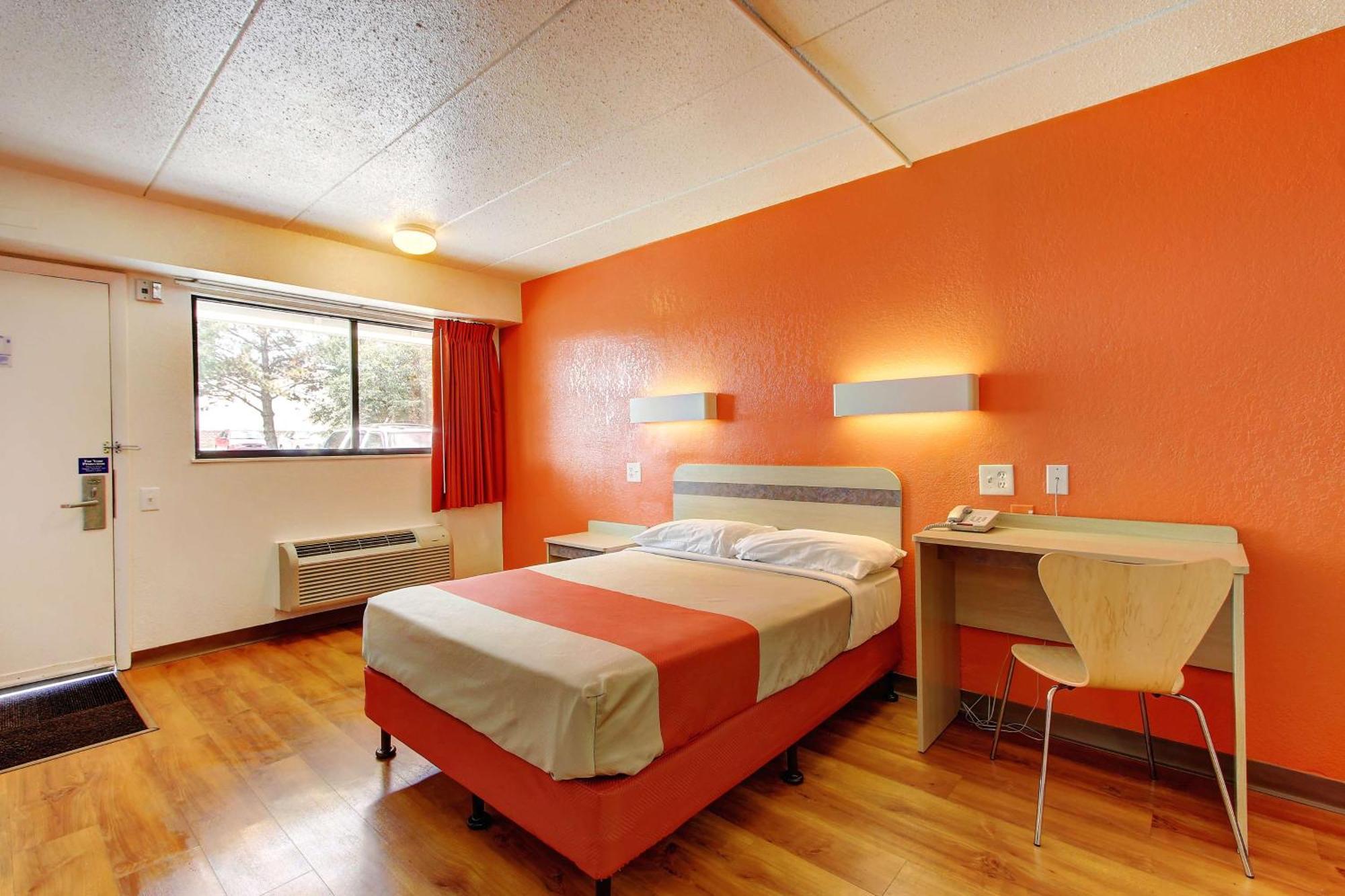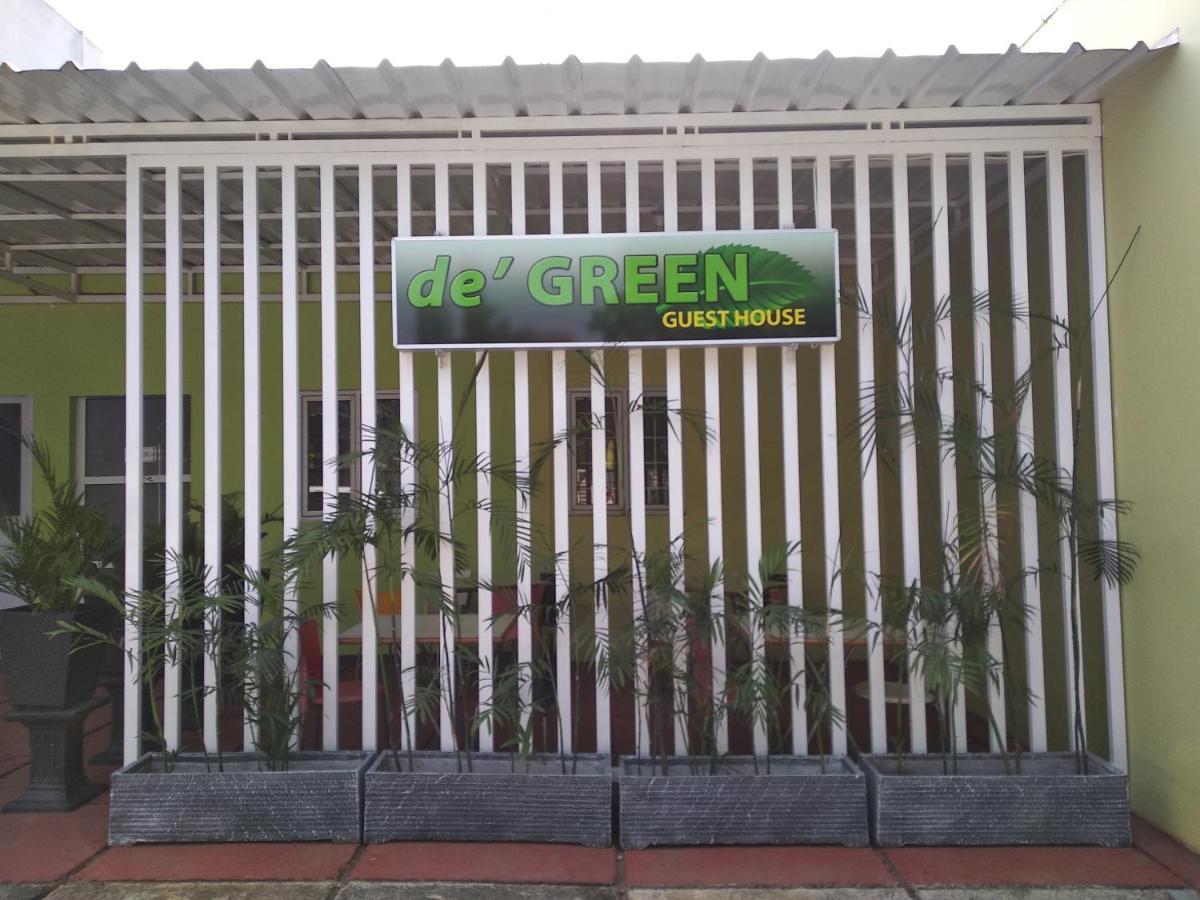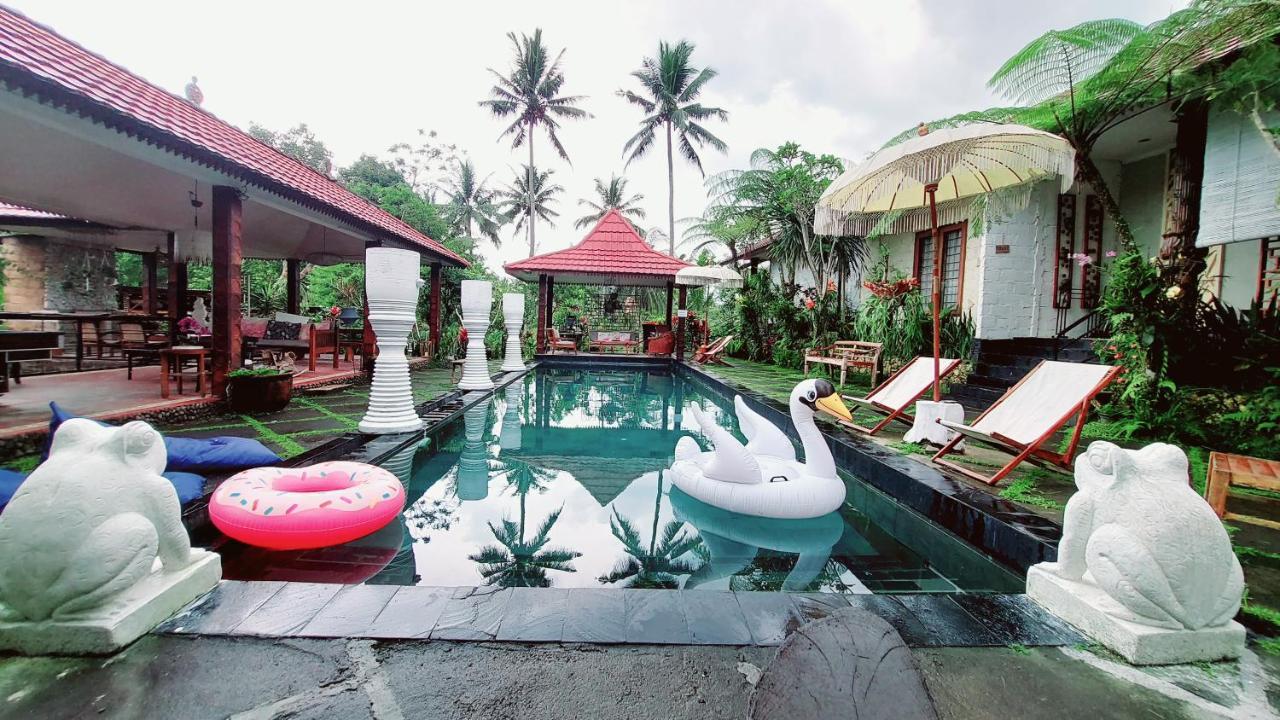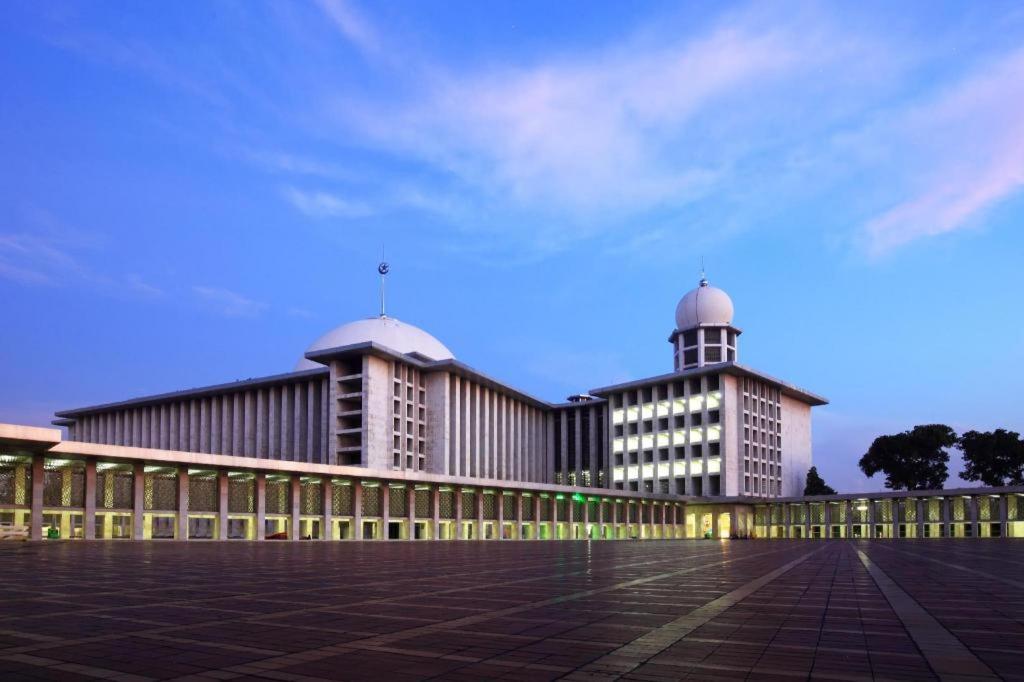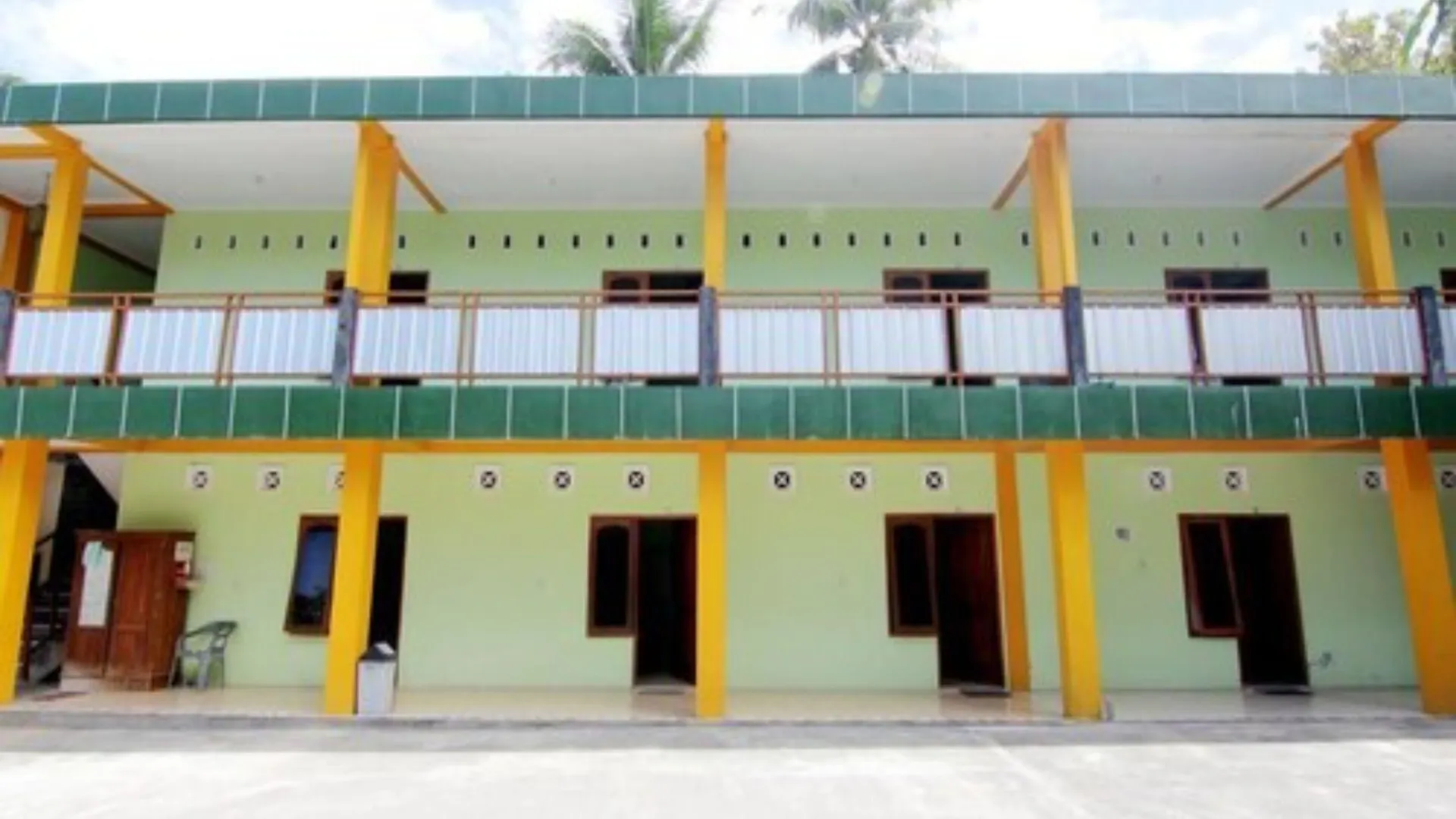
Yogyakarta Special Region spans from the volcanic slopes of Mount Merapi in the north to the Indian Ocean beaches of Gunungkidul in the south - and where you stay dramatically affects how much time you spend on the road versus exploring. These four 3-star hotels cover that geographic spread, from the cultural core near Prambanan to the remote southern coast, giving travelers genuine options depending on their itinerary priorities.
What It's Like Staying in Yogyakarta Special Region
Yogyakarta Special Region is Indonesia's most concentrated cultural corridor - home to Borobudur, Prambanan, the Kraton Sultan's Palace, and active volcano trekking on Merapi, all within a region smaller than many Indonesian provinces. Transport is almost entirely road-based, with no intercity rail connecting the southern beaches to the cultural heartland, which means a car or motorbike is essential for anything beyond central Yogyakarta city. The region draws a mix of domestic and international travelers, with domestic tourism surging on weekends and public holidays, so midweek stays offer noticeably calmer conditions at major temples and beaches.
Staying here rewards travelers who plan by zone - the northern volcanic belt, the central urban strip along Malioboro, and the southern coastal hinterland each have a distinct rhythm and crowd pattern. Around 56 km separates the airport from the furthest southern accommodations, so guests staying near Parangtritis or Tepus should factor in significant daily transfer times if they plan to visit the city's cultural sites.
Pros:
- Unmatched density of UNESCO-listed and culturally significant sites within a single administrative region
- Accommodation costs are among the lowest in Java for comparable quality, making longer stays financially viable
- The region's compact north-south axis means most key attractions are reachable by car in under 90 minutes from any base
Cons:
- No fast rail or reliable public transit between zones - road congestion near Malioboro and Prambanan is severe on weekends
- Southern coastal areas like Gunungkidul are underdeveloped in terms of dining and nightlife, limiting evening options
- Merapi volcanic activity periodically disrupts northern routes and is worth monitoring before booking northern-zone stays
Why Choose 3-Star Hotels in Yogyakarta Special Region
Three-star hotels in Yogyakarta Special Region occupy a genuinely useful middle ground - they consistently include air conditioning, private bathrooms, and free WiFi, which are not guaranteed at budget guesthouses, while avoiding the resort pricing that pushes 4- and 5-star properties well above what most travelers need for a culturally focused itinerary. In this region, a 3-star stay typically costs around 40% less than a 4-star equivalent, with the savings often reinvested into transport, guided tours to Borobudur, or cooking classes in the city. Room sizes at this tier vary considerably by zone - properties in the Cangkringan highland area tend to offer larger units with kitchen facilities and terraces, while urban-adjacent guesthouses are more compact and functional.
The key trade-off at this category is amenity depth: most 3-star properties in Yogyakarta will have a restaurant or coffee shop on-site, but few offer a full spa, fitness center, or concierge-level tour booking. Travelers staying more than 3 nights benefit most from this tier, as the combination of private facilities, reliable connectivity, and on-site food options reduces daily logistics without inflating accommodation spend. For solo travelers, couples, and small families on temple-and-beach itineraries, the 3-star category in this region is typically the most cost-efficient bracket.
Pros:
- Private bathrooms, AC, and WiFi are standard - eliminates the guesswork common at budget guesthouses in rural zones
- Properties in this tier across Yogyakarta often include family rooms and parking, making them practical for self-drive itineraries
- On-site restaurants at several properties serve local Javanese cuisine, reducing reliance on outside dining in areas with limited restaurant options
Cons:
- Spa, fitness, and pool facilities are inconsistent - only select properties offer these, and quality varies significantly
- Properties in remote southern zones (Gunungkidul, Bantul coast) have limited night-time services and nearby dining after 9 PM
- Urban 3-star options near Malioboro face noise from street traffic and market activity, especially on weekend nights
Practical Booking & Area Strategy
Yogyakarta city center - specifically the strip between Malioboro Street and the Kraton - is the most logical base for first-time visitors focused on cultural sightseeing, with Tugu Train Station connecting the city to Jakarta and Surabaya. For travelers prioritizing Prambanan and the eastern temples, Cangkringan and Kalasan in Sleman Regency place you within 15 km of the temple complex and also within reach of Merapi volcano trekking routes. The southern coastal stretch, including Parangtritis Beach and the Gunungkidul cave and beach circuit, is best treated as a dedicated zone - base yourself there specifically if your itinerary is beach- and cave-focused, not as a general Yogyakarta base. Peak travel periods in Yogyakarta include Lebaran (Eid al-Fitr), the June-August dry season, and Indonesian school holidays in December - book at least 4 weeks ahead for these windows, as 3-star inventory fills faster than luxury tiers due to higher domestic demand. The dry season from May to September brings the clearest conditions for Borobudur sunrise visits and beach days, while the wet season (November-March) sees reduced prices and thinner crowds at most sites outside the city core.
Best Value Stays
These properties offer strong practical value for travelers whose priority is proximity to natural or coastal attractions rather than the urban cultural core - both deliver private facilities and free WiFi at accessible price points.
-
1. The Wayang Homestay
Show on map


 Check-infrom 14:00 until 23:59Check-outuntil 12:00
Just a few rooms left at the best rate!
fromIDR 250000
-
2. Losmen Alden
Show on map


 Check-infrom 13:00 until 23:59Check-outuntil 12:00
Just a few rooms left at the best rate!
fromIDR 214286
Best Premium Stays
These two properties offer expanded facilities - including pools, restaurants, and family-room configurations - that elevate the stay beyond standard guesthouse functionality, each positioned in a distinct geographic zone of the region.
-
1. Villa Padi Cangkringan
Show on map


 Check-infrom 14:00 until 23:59Check-outuntil 12:00
Hurry – almost gone at this price!
fromIDR 321429
-
4. Rock Garden Homestay & Resto
Show on map


 Check-infrom 14:00 until 20:00Check-outfrom 08:00 until 12:00
Rooms filling fast – secure the best rate!
fromIDR 410714
Smart Travel & Timing Advice
The dry season from May through September is the optimal window for visiting Yogyakarta Special Region - Borobudur sunrise slots book out weeks in advance during July and August, and 3-star hotel availability in Cangkringan and Gunungkidul tightens significantly. Book at least 3 weeks ahead for any July or August travel, particularly for properties with limited room counts like homestays and villa-style guesthouses. The wet season (November through March) brings rain that can make southern coastal roads slippery and Merapi trekking inadvisable, but it also delivers prices that are noticeably lower across all property tiers. For most cultural itineraries - Prambanan, Borobudur, Kraton, and batik workshops - a 4-night stay gives enough time without requiring rushed logistics; the southern beach and cave circuit in Gunungkidul warrants a separate 2-night dedicated stay to avoid the daily 56 km transfer. Midweek arrivals consistently yield better availability and quieter site conditions compared to Friday-to-Sunday windows, when domestic visitors from Semarang, Solo, and Jakarta significantly increase crowds at Prambanan and Malioboro.