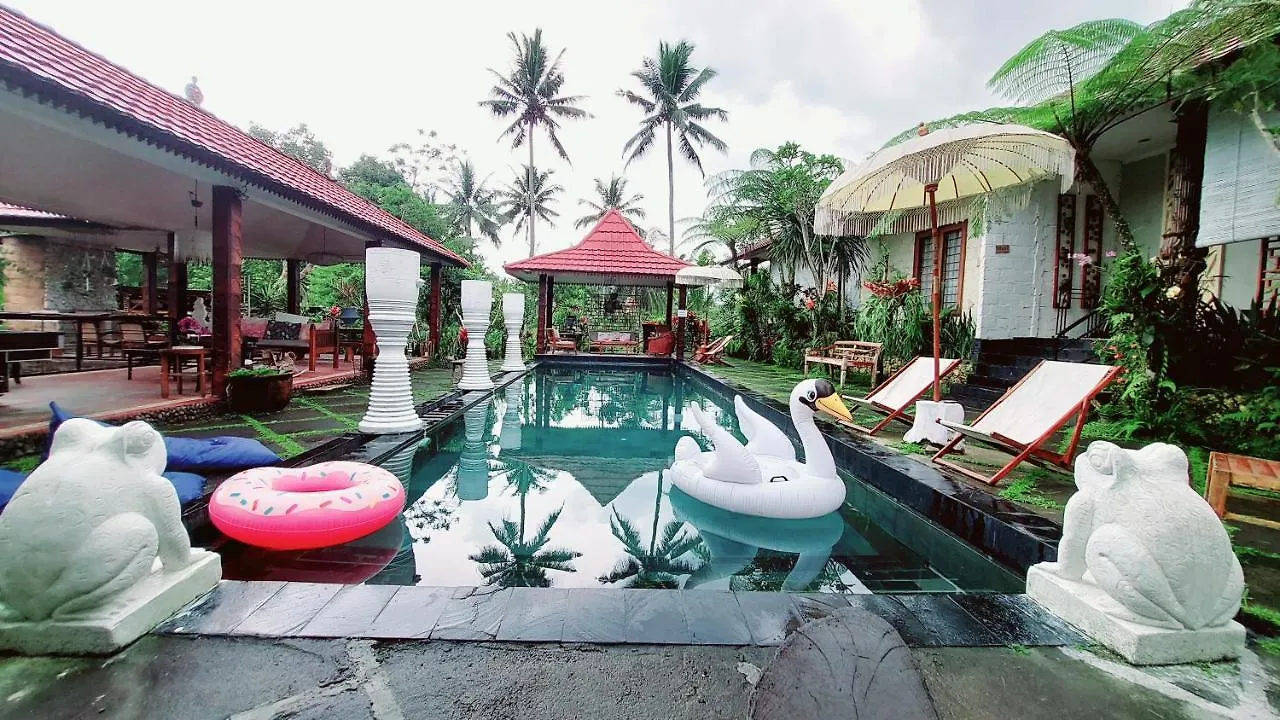
Yogyakarta Special Region stretches from the slopes of Mount Merapi in the north to the Indian Ocean coastline in the south, covering a remarkably diverse range of destinations - from the temple corridors of Prambanan to the limestone caves of Gunung Kidul. Budget travelers will find that this region offers some of the most affordable accommodation options in Java, without sacrificing access to its core cultural and natural attractions. This guide covers 4 carefully selected cheap hotels in Yogyakarta Special Region to help you book smarter.
What It's Like Staying in Yogyakarta Special Region
Yogyakarta Special Region is one of Indonesia's most culturally significant destinations, home to UNESCO-listed temples, a living royal sultanate, and a coastline that runs along the southern edge of Java. The region is large - distances between the historic city center and outlying areas like Gunung Kidul or Kulon Progo can exceed 50 km - so your accommodation location directly determines how much time and money you spend on transport. Becak (cycle rickshaws), online ride-hailing apps like Gojek and Grab, and private car rentals are the primary ways to get around, and peak crowd periods around Eid and school holidays can significantly affect both traffic and availability.
Pros:
- Exceptional density of cultural, historical, and natural attractions within a single administrative region
- One of the most affordable destinations in Java for food, transport, and lodging
- Well-established tourism infrastructure makes navigating even remote areas like Tepus or Cangkringan manageable
Cons:
- Distances between key sites are substantial - staying in the wrong area can cost you hours of daily commuting
- Volcanic activity around Merapi and unpredictable Indian Ocean currents on southern beaches require awareness
- High tourist seasons see sharp price hikes even at budget properties, and last-minute availability becomes scarce
Why Choose Budget Hotels in Yogyakarta Special Region
Budget and cheap hotels in Yogyakarta Special Region are not just stripped-down options - many guesthouses and losmen here include free WiFi, private bathrooms, and on-site parking at rates well below what urban Indonesian hotels typically charge. Nightly rates at genuine budget properties can start below IDR 200,000, though properties with pools, restaurants, or airport proximity naturally sit higher in the budget tier. The trade-off is typically room size and amenity depth: expect compact rooms, limited in-room storage, and fewer concierge services, but often a more local and personal hosting experience compared to chain hotels.
Pros:
- Rates are among the lowest for any culturally rich region in Java, making multi-night stays financially accessible
- Many budget properties are family-run, offering authentic local insight and flexible check-in arrangements
- Free private parking is common across budget guesthouses in this region, reducing transport overheads for self-driving visitors
Cons:
- Room sizes are generally small, and premium features like pools or fireplaces are exceptions rather than the rule
- Facilities for disabled guests are rarely available at the lowest price tier
- Properties in remote sub-districts may be far from convenience stores, ATMs, and medical facilities
Practical Booking & Area Strategy
The budget hotel landscape in Yogyakarta Special Region breaks down by geography: properties near the city center of Yogyakarta (around Malioboro and Kraton) serve temple-hopping and cultural itineraries, while those in Cangkringan serve volcano trekkers heading toward Merapi, and properties in Tepus or near Parangkusumo Beach cater to coastal and cave tourism in Gunung Kidul and Bantul. Yogyakarta International Airport (YIA) in Kulon Progo opened a new accommodation corridor in the far west of the region - staying near YIA makes sense only if your itinerary starts or ends there, as it sits roughly 40 km from central Yogyakarta. For cultural sightseeing, Prambanan Temple, the Sultan's Palace (Kraton), and Fort Vredeburg are all clustered within a manageable radius of the city center. Book at least 4 weeks ahead during Eid al-Fitr, the Javanese New Year (Suro), and school holiday periods in June and July, when even budget properties fill up entirely. For the beaches of Gunung Kidul - including Baron, Kukup, and Krakal - a base in Tepus or Wonosari cuts driving time significantly.
Best Value Stays
These properties deliver the strongest practical value in their respective areas of Yogyakarta Special Region - combining usable amenities, honest pricing, and location logic for budget-conscious travelers.
-
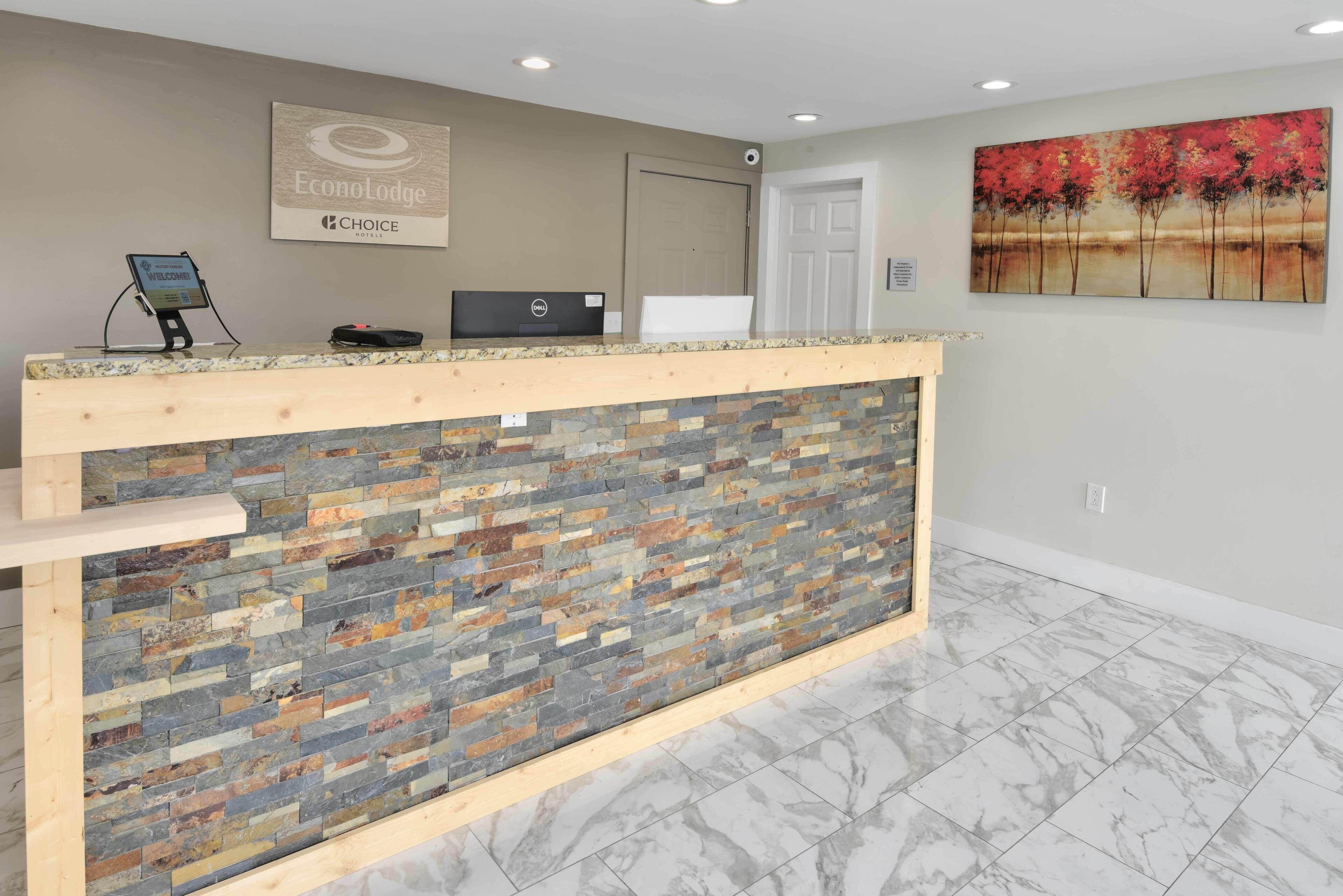
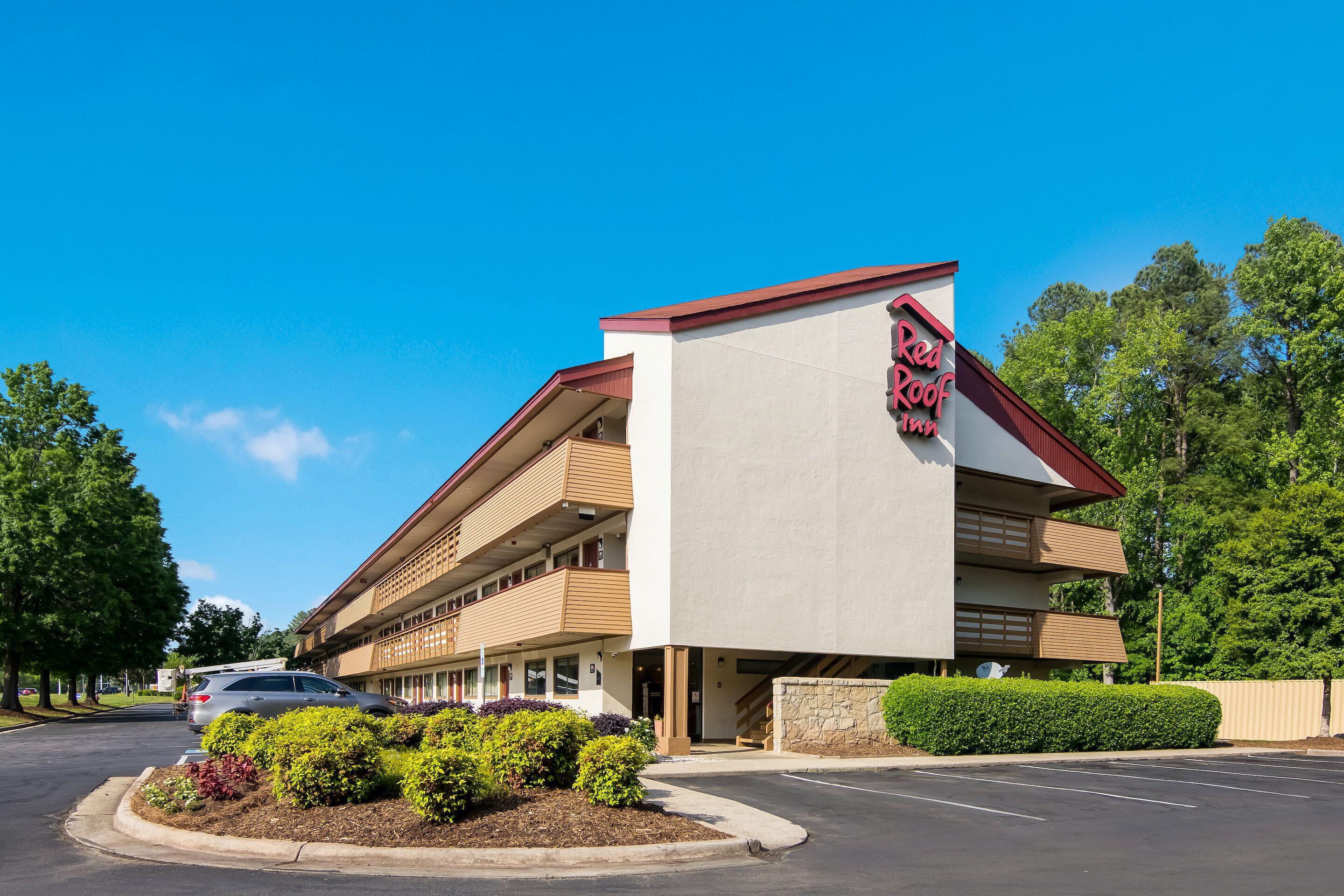
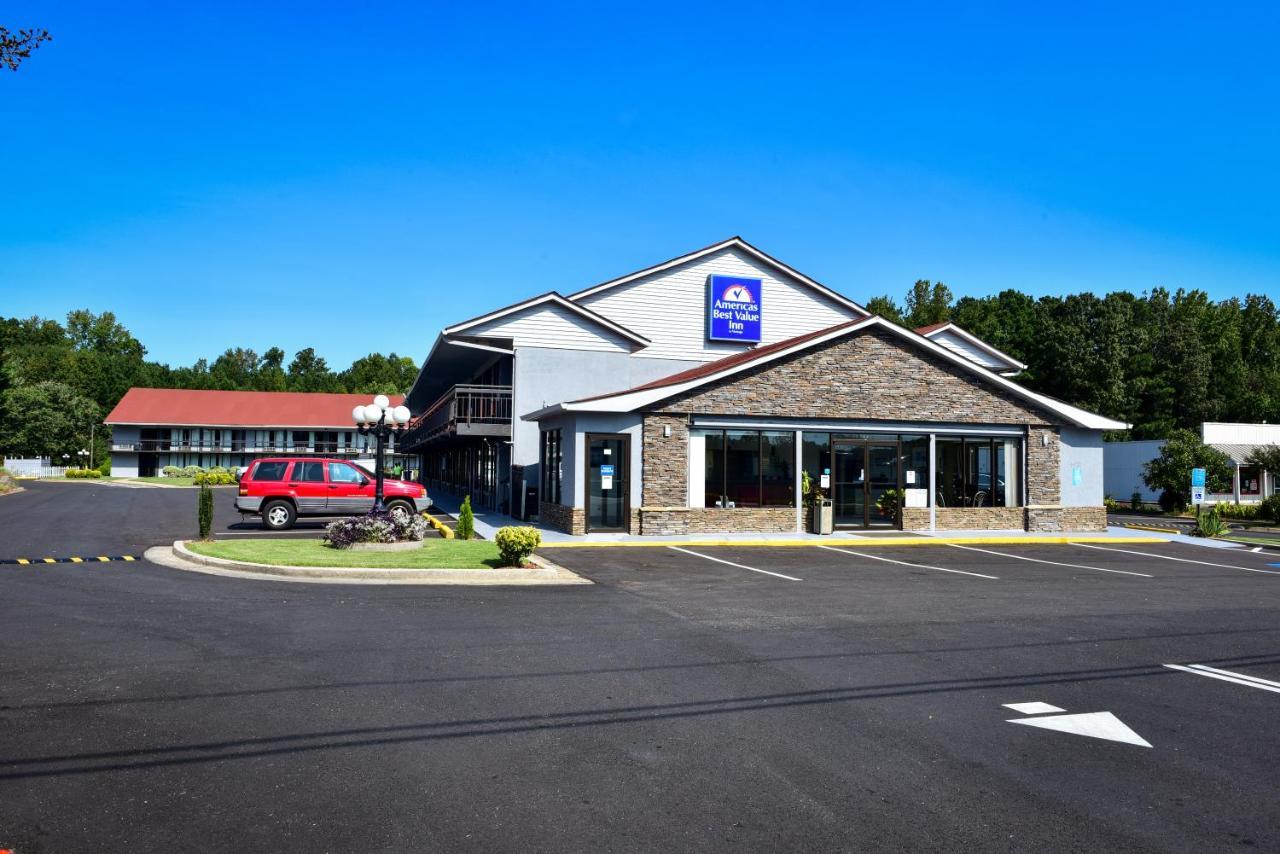
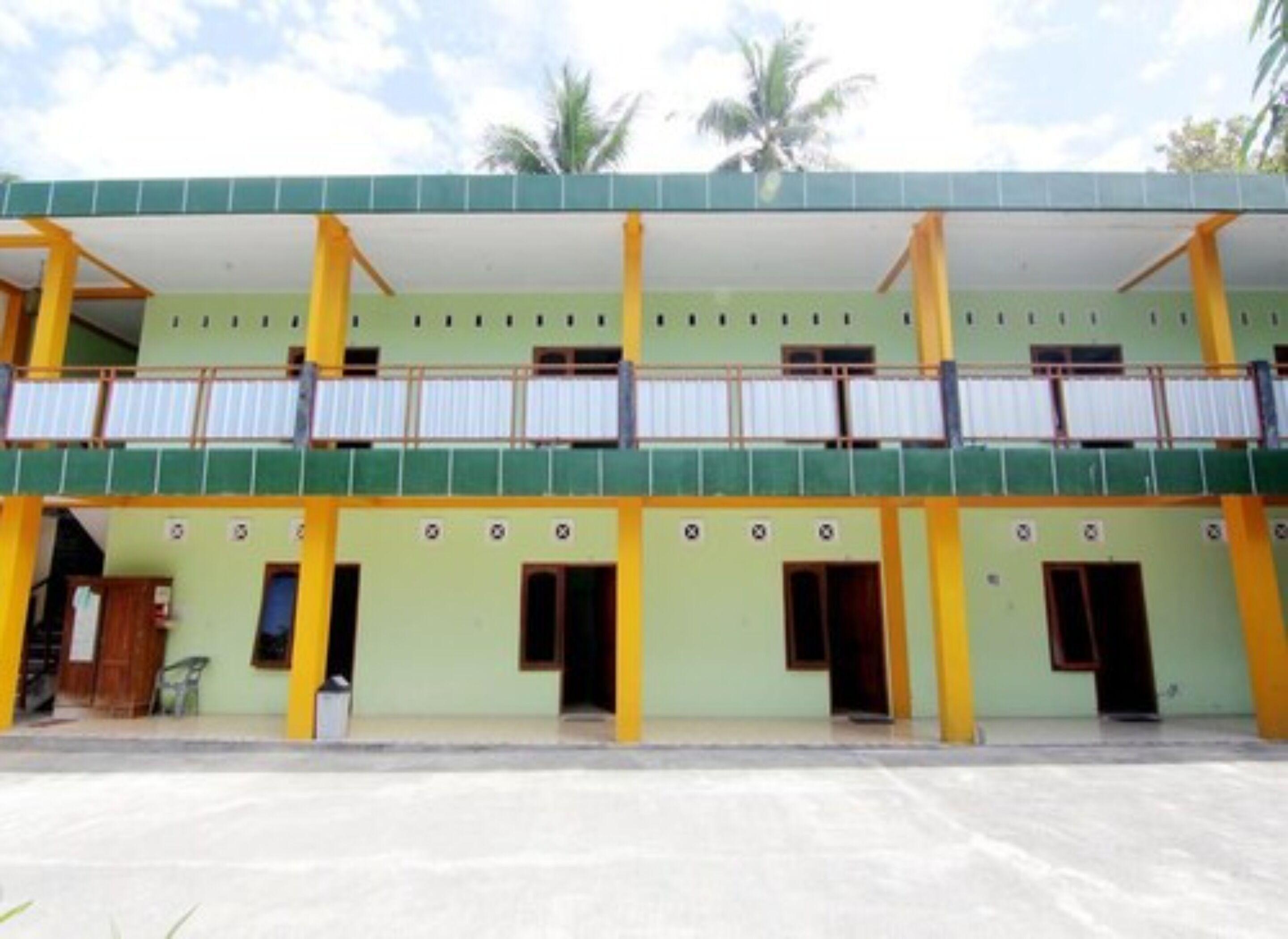
1. Villa Padi Cangkringan
Show on map


 Check-infrom 14:00 until 23:59Check-outuntil 12:00
Just a few rooms left at the best rate!
fromIDR 321429
-
2. Losmen Alden
Show on map


 Check-infrom 13:00 until 23:59Check-outuntil 12:00
Just a few rooms left at the best rate!
fromIDR 214286
-
3. Rock Garden Homestay & Resto
Show on map


 Check-infrom 14:00 until 20:00Check-outfrom 08:00 until 12:00
Hurry – almost gone at this price!
fromIDR 410714
Best Budget Stay Near YIA Airport
For travelers transiting through or beginning their trip at Yogyakarta International Airport in Kulon Progo, this property offers the most convenient and affordable positioning in the region's newest tourism corridor.
-
1. Hotel Andono Near Yia Mitra Reddoorz
Show on map


 Check-infrom 14:00 until 23:59Check-outfrom 08:00 until 12:00
Rooms filling fast – secure the best rate!
fromIDR 285714
Smart Travel & Timing Advice for Yogyakarta Special Region
The driest and most comfortable months to visit Yogyakarta Special Region fall between May and September, when rainfall is minimal and outdoor activities around Merapi, Prambanan, and the southern beaches are fully accessible without weather disruption. July and August are the absolute peak months - domestic tourists flood the region during school holidays, and budget properties near Malioboro and Prambanan can sell out weeks in advance. Traveling in May, early June, or September gives you dry weather with meaningfully lower rates and thinner crowds at major sites. For Gunung Kidul properties like Rock Garden Homestay, the dry season is essential - unpaved access roads to some cave and beach areas become difficult in the wet season. A stay of at least 3 nights is recommended to cover the spread of the region without feeling rushed, especially if your itinerary mixes city culture with volcanic or coastal sub-districts. Last-minute bookings during Eid al-Fitr (dates shift annually) are extremely risky - book at least 6 weeks ahead for that period.