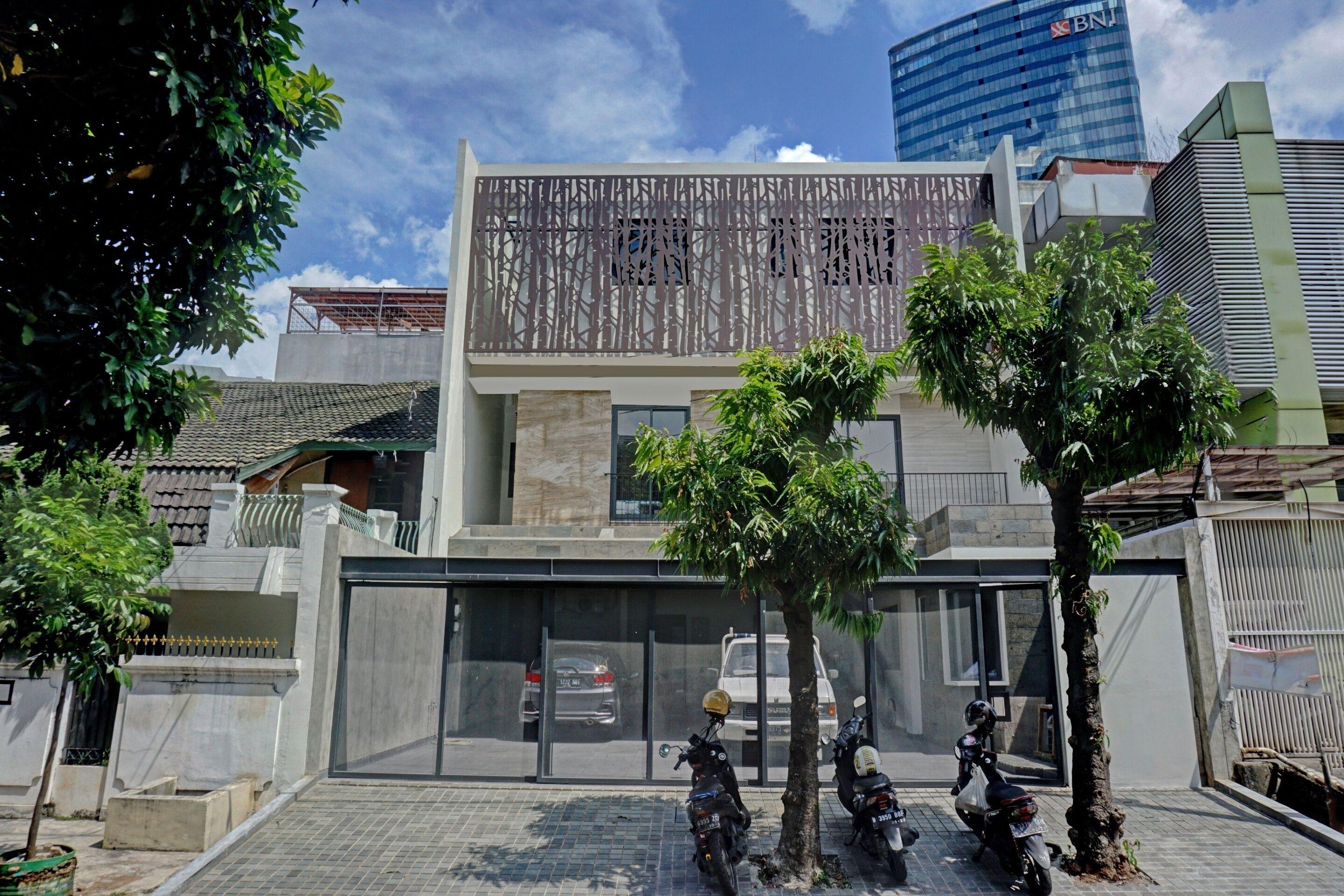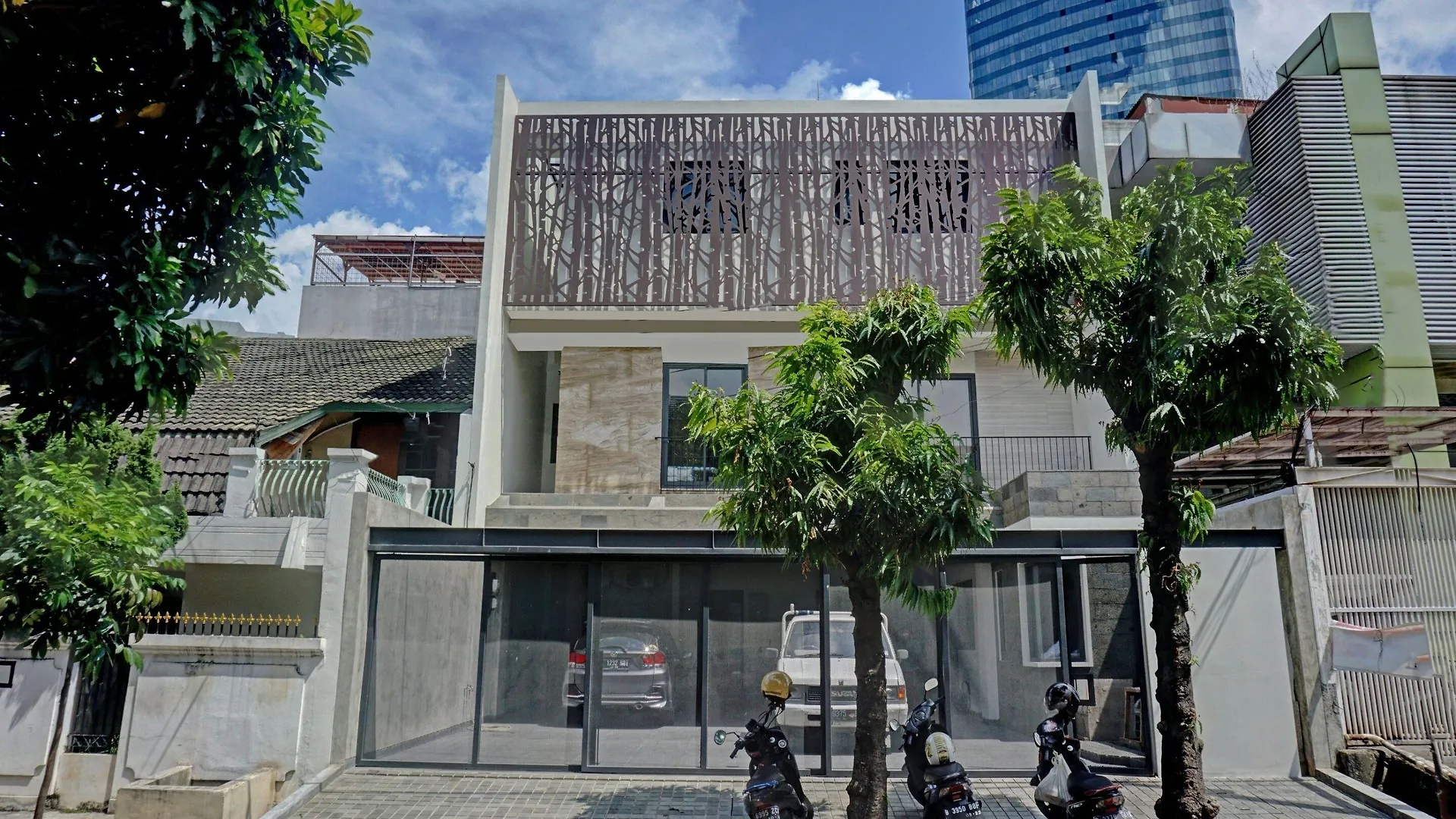
Jung-gu sits at the geographic and historical core of Seoul, covering landmarks like Myeongdong, Namdaemun Market, Dongdaemun, and Seoul City Hall. OYO-branded hotels in this district offer budget-conscious travelers a structured, app-managed stay in one of Seoul's most transit-connected zones. This guide breaks down what staying in Jung-gu with OYO actually looks like - locations, room realities, and when to book.
What It's Like Staying in Jung-Gu, Seoul
Jung-gu is Seoul's most central administrative district, and staying here puts you within walking distance of Myeongdong's shopping streets, Namdaemun Market, and multiple subway lines including Lines 1, 2, 4, and the Airport Railroad. The district runs dense - narrow alleys behind commercial boulevards, high foot traffic near Myeongdong day and night, and consistent noise levels that don't fully drop until after midnight near market zones. Subway access here is genuinely unmatched in Seoul, with most hotels sitting under 10 minutes on foot from a major station.
That said, this isn't a quiet residential area. Street vendors, tour groups, and commuter crowds define the daytime rhythm, and hotel options tend to prioritize location over room size. Travelers who need space or silence will find outer districts more suitable.
Pros:
- Walking access to Myeongdong, City Hall, and Namdaemun Market without needing transit
- Multiple subway intersections reduce commute time to virtually any part of Seoul
- Dense food options - from street stalls to sit-down restaurants - available at all hours
Cons:
- Street noise near Myeongdong and Dongdaemun persists well past 11 PM
- Hotel rooms trend smaller than outer districts at comparable price points
- High tourist concentration means crowded sidewalks and longer waits at popular spots during weekends
Why Choose OYO Hotels in Jung-Gu
OYO operates a network of standardized budget hotels across Asia, and in Jung-gu, that translates to predictable room specs - air conditioning, flat-screen TV, private bathroom, free WiFi - at price points that sit noticeably below the midrange hotel bracket in the same district. Rooms typically average around 18-22 m2, which is standard for Seoul's central budget tier. The OYO app-driven model means check-in and service requests are managed digitally, which suits solo and short-stay travelers but can feel impersonal on longer trips.
Compared to guesthouses or unbranded budget hotels in Jung-gu, OYO properties offer more consistent cleanliness standards and clearer cancellation policies. However, breakfast is sometimes chargeable or limited to Asian/halal options, and room service quality varies by property. Free parking is available at several Jung-gu OYO hotels, which is rare and valuable in this district given the car density near commercial zones.
Pros:
- Consistent room standards across properties - useful when booking without prior reviews
- Free WiFi and private bathroom included as standard across the OYO network in Jung-gu
- Free parking available at select properties - unusually practical for central Seoul
Cons:
- Room sizes are compact - limited desk and storage space in most units
- App-dependent service model may frustrate travelers expecting on-site staff responsiveness
- Breakfast options are narrow, typically limited to Asian or halal menus without à la carte alternatives
Practical Booking & Area Strategy for Jung-Gu
Within Jung-gu, positioning matters. Hotels near Myeongdong Station (Line 4) and Euljiro put you within a 5-minute walk of the district's highest-density commercial zone but also its loudest corridors. Properties closer to Namdaemun or Seoul Station trade some foot-traffic noise for slightly better transit variety, including KTX access at Seoul Station for day trips to Busan or Gyeongju. For OYO travelers, checking the specific address against the nearest subway exit - rather than just the district name - makes a meaningful difference in usability.
Jung-gu hosts Gyeongbokgung Palace access via Line 3 (one stop from Anguk), Namsan Tower reachable by cable car from Myeongdong, and the Cheonggyecheon Stream walkway cutting through the district. Book at least 3 weeks in advance during Cherry Blossom season (late March to mid-April) and Chuseok holidays - OYO inventory in Jung-gu sells down faster than outer district properties during these windows due to the area's tourist concentration.
Best Value OYO Stays
These properties deliver core OYO amenities - free WiFi, private bathroom, 24-hour front desk - at the most accessible price points in the Jung-gu selection, with locations that still provide reasonable subway access.
-
1. Capital O 90635 Tango Juliet Residence
Show on map


 Check-infrom 14:00 until 23:59Check-outuntil 12:00
Just a few rooms left at the best rate!
fromIDR 285714
-
2. Collection O 92130 Hotel Fiducia Kaji
Show on map


 Check-infrom 14:00 until 23:59Check-outuntil 12:00
Just a few rooms left at the best rate!
fromIDR 303571
Best Mid-Range OYO Picks
These two OYO Townhouse properties add on-site dining and expanded amenities, positioning them a step above the entry-level OYO tier while remaining within the budget hotel bracket for Jung-gu.
-
3. Super Oyo Townhouse 2 Hotel Gunung Sahari
Show on map


 Check-infrom 14:00 until 23:59Check-outuntil 12:00
Hurry – almost gone at this price!
fromIDR 303571
-
4. Super Oyo Townhouse 1 Hotel Salemba
Show on map


 Check-infrom 14:00 until 23:59Check-outuntil 12:00
Rooms filling fast – secure the best rate!
fromIDR 928571
Smart Travel & Timing Advice for Jung-Gu
Jung-gu sees its highest hotel demand during Cherry Blossom season (late March to mid-April) and the Chuseok national holiday period, when OYO inventory in central Seoul can deplete within days of opening. Prices during these windows rise by around 30% compared to low-season rates, and last-minute bookings frequently result in only upper-floor or limited-view rooms remaining. Outside these peaks, late November through February offers the district's quietest hotel market - fewer tourists near Myeongdong and lower nightly rates across the OYO network.
A 2-night minimum stay in Jung-gu is generally sufficient to cover the core district without feeling rushed - Myeongdong, Namdaemun, Namsan, and Cheonggyecheon can realistically be covered in two full days on foot. For travelers planning day trips to destinations like Suwon or Incheon, Jung-gu's Seoul Station proximity makes it a logistically sound base without adding extra transit time. Book at least 4 weeks ahead for weekend stays during spring and autumn, and use the OYO app to monitor flash discounts for mid-week availability.