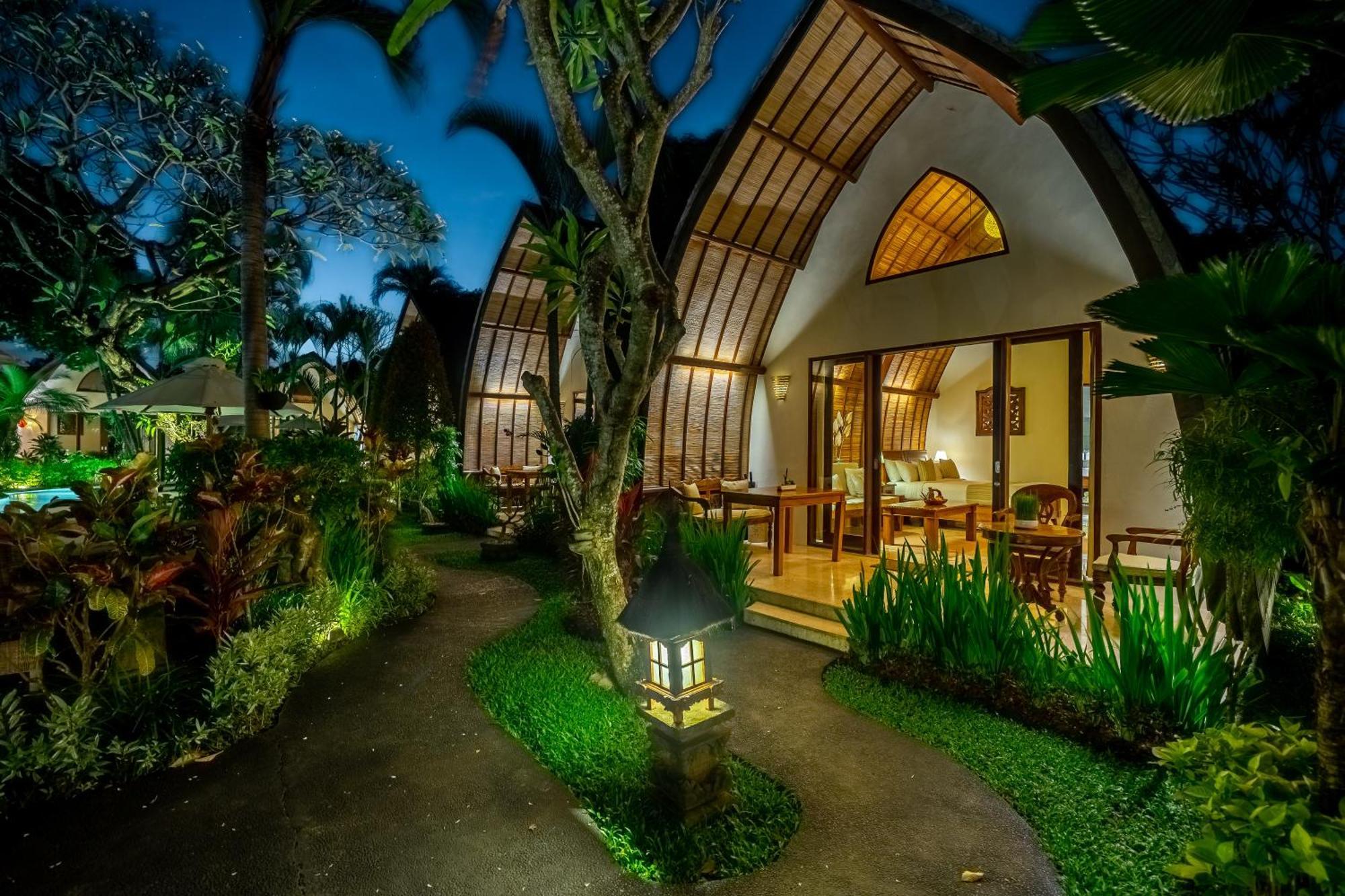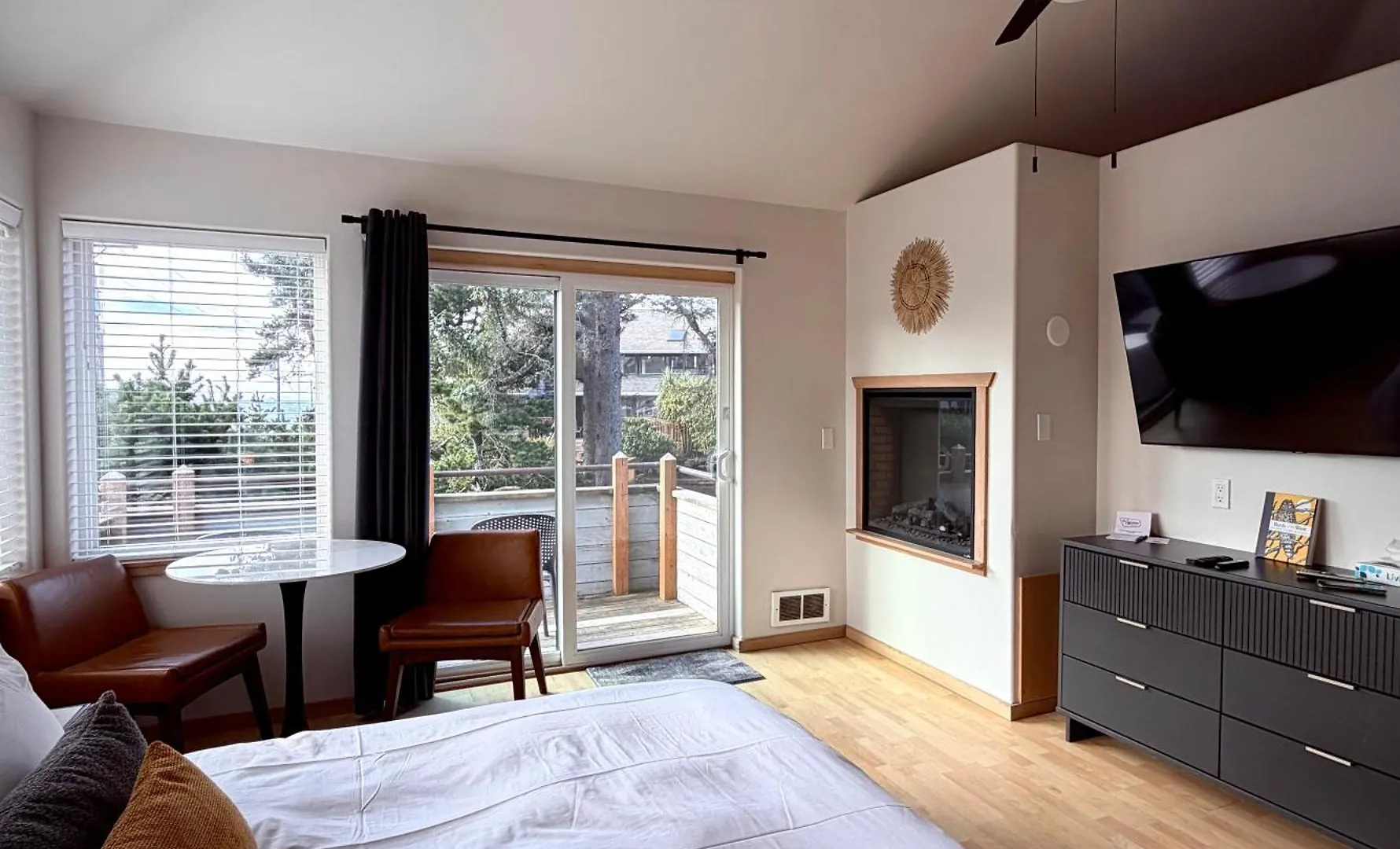
Oregon is one of the most geographically diverse states in the American West, stretching from rugged Pacific coastline to high desert terrain, volcanic peaks, and the fertile Willamette Valley wine country. Whether you're arriving for a coastal escape in Manzanita, a wine weekend in McMinnville, or a historic stop along the Oregon Trail near Baker City, the state's luxury lodging scene covers a surprisingly wide spread of experiences. This guide cuts through the noise to help you identify which upscale property fits your itinerary, budget, and travel style - with no fluff, just facts.
What It's Like Staying in Oregon
Oregon rewards travelers who plan around its geography - distances between key destinations like Portland, the coast, and eastern Oregon can stretch well beyond 200 km, making your choice of base city genuinely consequential. The state draws a mix of outdoor adventurers, wine tourists, and history-focused road trippers, with crowd patterns shifting dramatically by season: summer coastal towns like Manzanita fill up fast, while inland cities like John Day and Baker City stay manageable year-round. Portland International Airport is the dominant entry point, but several properties sit far from it, so travelers without a car will face real limitations.
Pros:
- Exceptional geographic variety - coast, wine country, and high desert are all accessible within one trip
- Lower crowd pressure in eastern Oregon towns compared to coastal or metro areas
- Strong outdoor activity infrastructure: hiking, cycling, and river access near most lodging hubs
Cons:
- A car is essentially mandatory - public transport between regions is minimal
- Coastal bookings can sell out around 8 weeks in advance during peak summer
- Weather on the coast is unpredictable even in July, with frequent fog and rain
Why Choose Luxury Hotels in Oregon
Luxury hotels in Oregon tend to differentiate themselves through locally rooted design, proximity to nature, and curated food and drink experiences - particularly in wine-producing corridors like the Willamette Valley. Unlike urban luxury markets, Oregon's upscale properties rarely compete on scale; instead, they emphasize intimacy, access to regional produce, and outdoor-oriented amenities like free bikes or guided trail connections. Rates at Oregon's top-rated luxury properties average around 30% less than comparable stays in California coastal markets, making the value proposition unusually strong for the quality delivered. That said, room counts are often limited, so availability tightens fast.
Pros:
- Locally sourced dining and wine-forward hospitality are standard at most 4- and 5-star properties
- Nature-integrated amenities - outdoor pools, bikes, terraces - replace generic hotel facilities
- Upscale coastal and wine-country properties often include free parking, rare in comparable US markets
Cons:
- Most luxury properties have fewer than 40 rooms, meaning last-minute bookings are rarely possible in peak season
- Limited 24-hour dining options outside Salem and larger cities
- Eastern Oregon luxury properties are genuinely remote - amenities must meet expectations on-site
Practical Booking & Area Strategy
McMinnville is the clearest base for wine-country travelers, sitting at the heart of the Willamette Valley with walkable access to tasting rooms and local restaurants - and two strong upscale hotel options within the same block. Salem, Oregon's state capital on the Willamette River, works well for travelers combining history, hiking, and cycling, with Enchanted Forest Theme Park just 16 km away - a practical family add-on. For coastal stays, Manzanita is a genuinely low-key alternative to busier towns like Cannon Beach, but Portland International Airport is around 149 km away, so factor in drive time. Baker City and John Day are the go-to bases for Oregon Trail history tourism and eastern Oregon's stark, high-desert landscapes - less visited but logistically independent, requiring full self-sufficiency in transport and meal planning.
Best Value Luxury Stays
These properties deliver upscale comfort and strong amenity sets at price points that outperform comparable coastal and wine-country markets - each anchored in a distinct Oregon destination.
-
1. The Inn At Manzanita
Show on map


 Check-infrom 16:00 until 23:00Check-outuntil 12:00
Just a few rooms left at the best rate!
fromUS$ 409
-
2. Motel 6-Wilsonville, Or - Portland
Show on map


 Check-infrom 15:00 until 23:59Check-outuntil 11:00
Just a few rooms left at the best rate!
fromUS$ 75
-
3. Best Western Sunridge Inn & Conference Center
Show on map


 Check-infrom 15:00 until 23:59Check-outuntil 11:00
Just a few rooms left at the best rate!
fromUS$ 63
-
4. Dreamers Lodge
Show on map


 Check-infrom 14:00 until 23:59Check-outuntil 11:00
Hurry – almost gone at this price!
fromUS$ 90
Best Premium Luxury Stays
These three properties sit at the top end of Oregon's upscale market - two in McMinnville's wine country core and one in Salem - distinguished by stronger facility sets, higher star ratings, and more refined on-site experiences.
-
5. Douglas On Third
Show on map


 Check-infrom 15:00 until 23:59Check-outuntil 12:00
Hurry – almost gone at this price!
fromUS$ 324
-
2. Atticus Hotel
Show on map


 Check-infrom 15:00 until 23:59Check-outuntil 11:00
Rooms filling fast – secure the best rate!
fromUS$ 327
-
7. Holman Riverfront Park Hotel Salem, Tapestry By Hilton
Show on map


 Check-infrom 16:00 until 23:59Check-outuntil 12:00
Rooms filling fast – secure the best rate!
fromUS$ 226
Smart Travel & Timing Advice for Oregon
Oregon's peak travel window runs from late June through early September, when coastal towns like Manzanita and wine-country hubs like McMinnville see their highest occupancy - luxury properties in these areas can sell out more than 6 weeks ahead during this period, particularly on weekends. Eastern Oregon destinations like Baker City and John Day operate on a more forgiving booking curve, with availability typically open closer to arrival through most of the summer. Shoulder season - specifically May and October - offers the best balance of manageable prices, thinner crowds, and still-workable weather, especially for wine touring in the Willamette Valley when harvest activity in October adds authentic atmosphere. Winter travel along the Oregon Coast is viable for travelers who tolerate rain and reduced daylight, and some properties drop rates by around 25% outside peak months. A minimum of two nights in any given base is advised - Oregon's driving distances make single-night stops logistically inefficient when factoring in arrival, exploration, and departure.