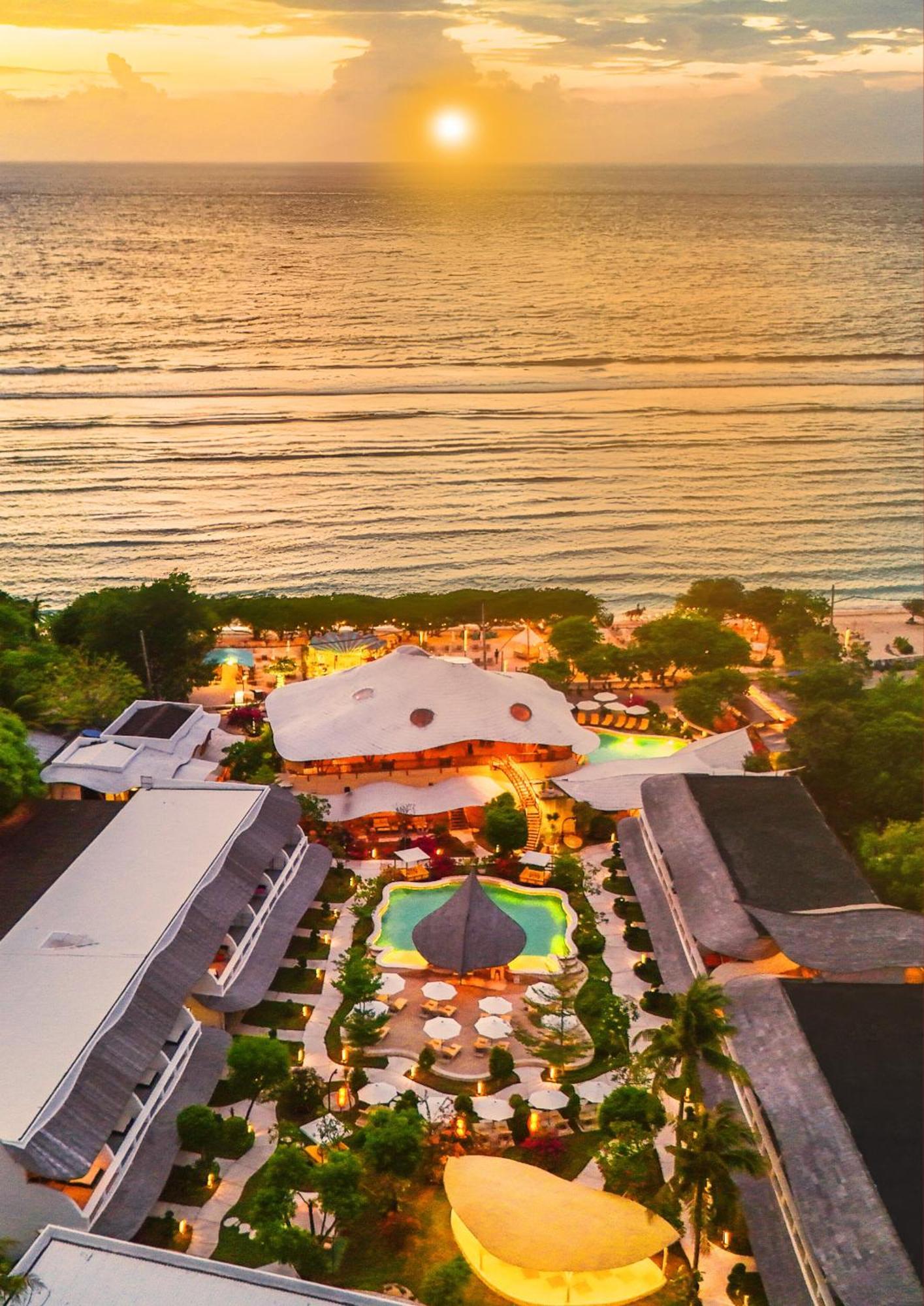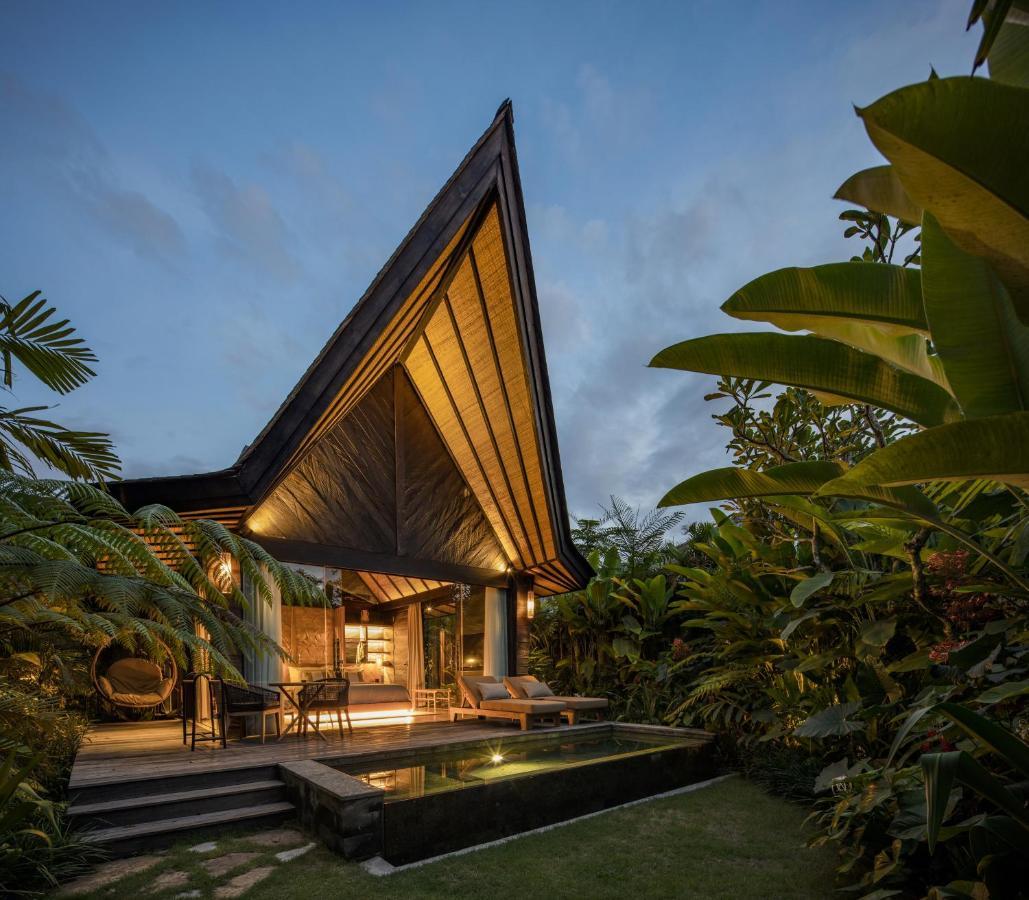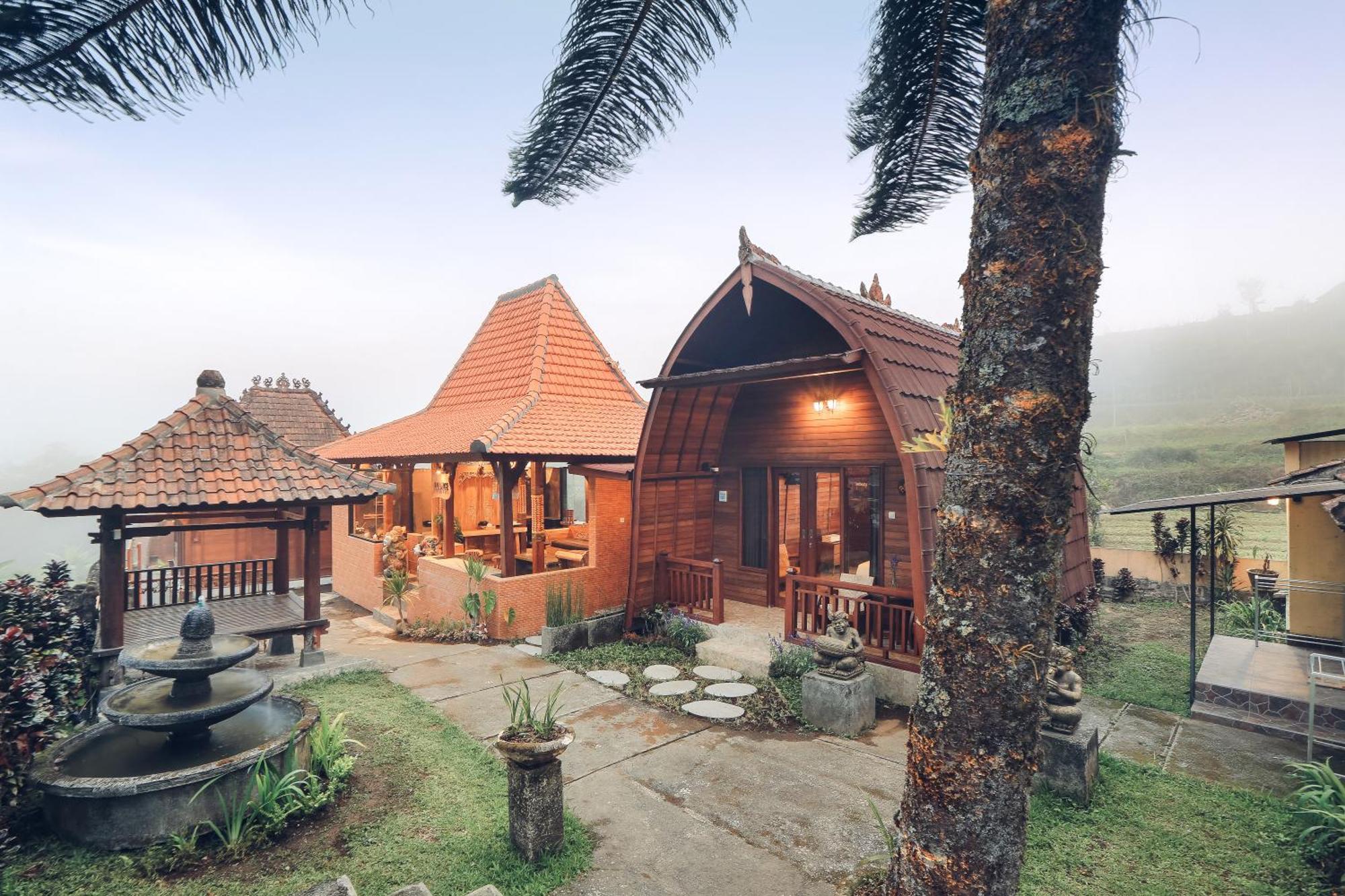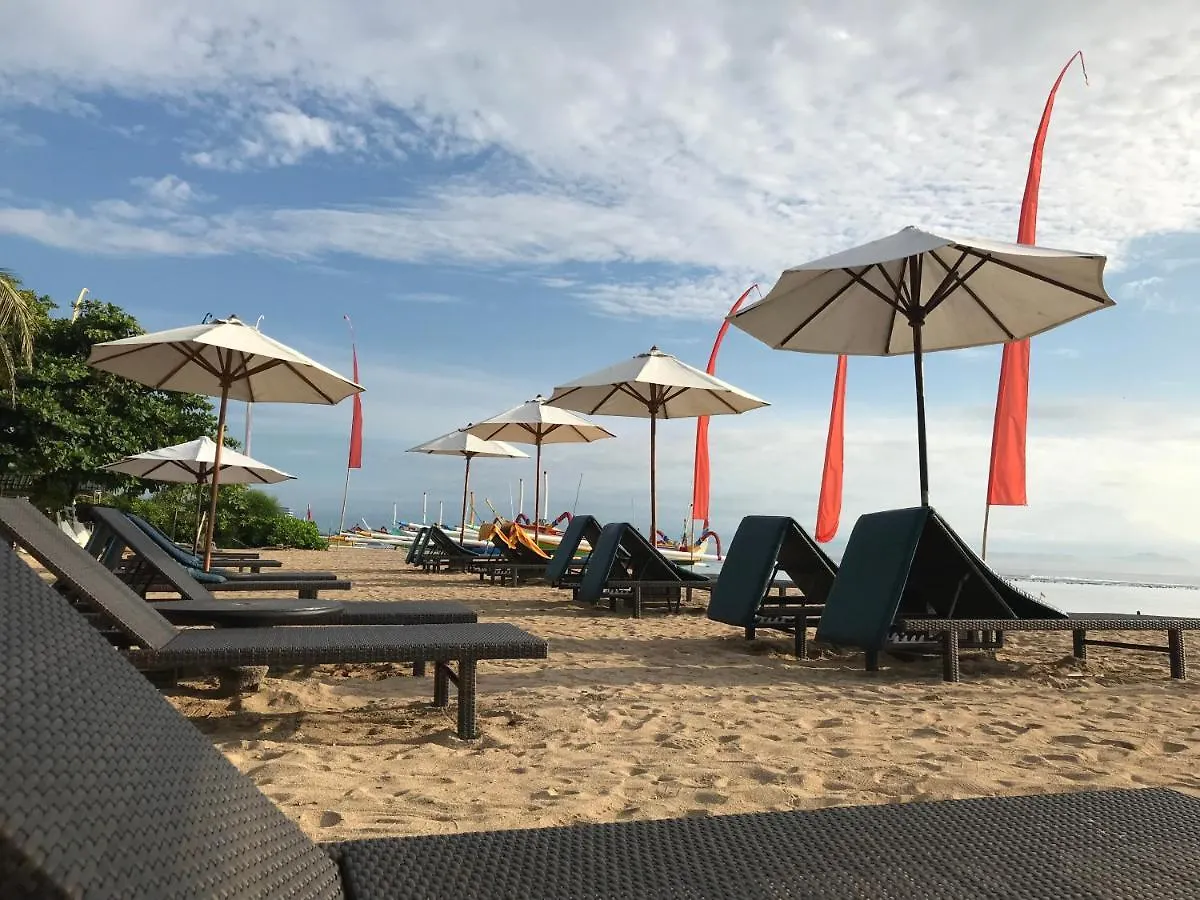
Indonesia spans over 17,000 islands, and the country's hotel scene reflects that diversity - from authentic Balinese-style chalets built on stilts above the water to oceanfront resorts in East Bali with direct access to ferry routes heading toward Lombok. Whether you're planning a layover in Tangerang, a beach escape in Bintan, or a longer stay along Sanur's coastline, the design hotels here offer a level of environmental immersion that generic chains simply don't deliver.
What It's Like Staying in Indonesia
Indonesia is an archipelago where the physical environment - volcanic peaks, coral-fringed coastlines, rice terraces, and dense jungle - shapes the entire hotel experience. Staying here means your accommodation often defines your trip as much as any attraction, since many design hotels are built directly into landscapes that are destinations in themselves. Crowd behavior varies sharply by island: Bali sees the highest tourist concentration, while Bintan draws predominantly Singaporean weekend travelers, and East Bali remains noticeably quieter than the island's south.
Unlike European city breaks, distances between Indonesian destinations are real - inter-island travel requires ferries or domestic flights, and transport connections from your hotel matter enormously. Around 80% of international visitors enter through Ngurah Rai Airport in Bali, making the southern corridor the default starting point, though it's far from the only compelling one.
Pros:
- Exceptional landscape variety - volcanic, coastal, and jungle settings all within one country
- Design hotels frequently incorporate local craftsmanship and architectural traditions that feel genuinely rooted in place
- Relative value compared to Southeast Asian neighbors, especially outside peak Bali season
Cons:
- Inter-island logistics require planning - missing a ferry connection can derail a tight itinerary
- High-season humidity (November through March) in coastal areas can affect comfort for some travelers
- Popular areas like Seminyak and Kuta in Bali involve significant road congestion that adds time to any transfer
Why Choose Exceptional Design Hotels in Indonesia
Exceptional design hotels in Indonesia go beyond aesthetics - they translate the local cultural identity into spatial experiences, using thatched roofs, hand-carved woodwork, open-air architecture, and beachfront positioning in ways that a branded chain hotel structurally cannot replicate. These properties typically sit in locations chosen for their natural drama rather than urban convenience, which means the setting is part of the offering. In practical terms, design hotels in Bali and Bintan often include facilities like beachfront restaurants, spa pavilions, and private terraces that justify staying in more than sightseeing out.
On pricing, design hotels in Indonesia can run significantly below comparable properties in Thailand or the Maldives, making the value proposition strong for travelers who prioritize environment and architecture. Room sizes at beachfront resort-style properties typically exceed those at urban business hotels, though in-room technology and urban connectivity trade-offs are real in more remote locations.
Pros:
- Architectural identity rooted in Balinese or regional Indonesian design - not imported templates
- Beachfront and oceanview positioning included in the base offering at several properties
- On-site dining at design hotels here frequently features regional cuisine cooked with local ingredients rather than generic menus
Cons:
- Remote beach locations mean reliance on hotel shuttles or private transport for any off-site activity
- Some properties are built for atmosphere over soundproofing - open-air design lets in ambient noise
- Availability in peak periods (July-August and Christmas) tightens quickly, particularly for ocean-view rooms
Practical Booking & Area Strategy
Choosing where to base yourself in Indonesia depends heavily on your travel intention. Bali's Sanur district offers a calmer, more residential atmosphere compared to Kuta or Seminyak, with a beachfront strip that's walkable and far less congested - it's roughly a 30-minute drive from Ngurah Rai Airport. East Bali, around Candidasa, appeals to travelers specifically seeking quieter coastlines and proximity to Padang Bai Harbour for day trips to Lombok or the Gili Islands. Bintan Island in the Riau Archipelago is a compelling alternative for travelers entering via Singapore, as it's reachable by a one-hour ferry from Singapore's Tanah Merah Ferry Terminal, eliminating the need for a long-haul flight altogether.
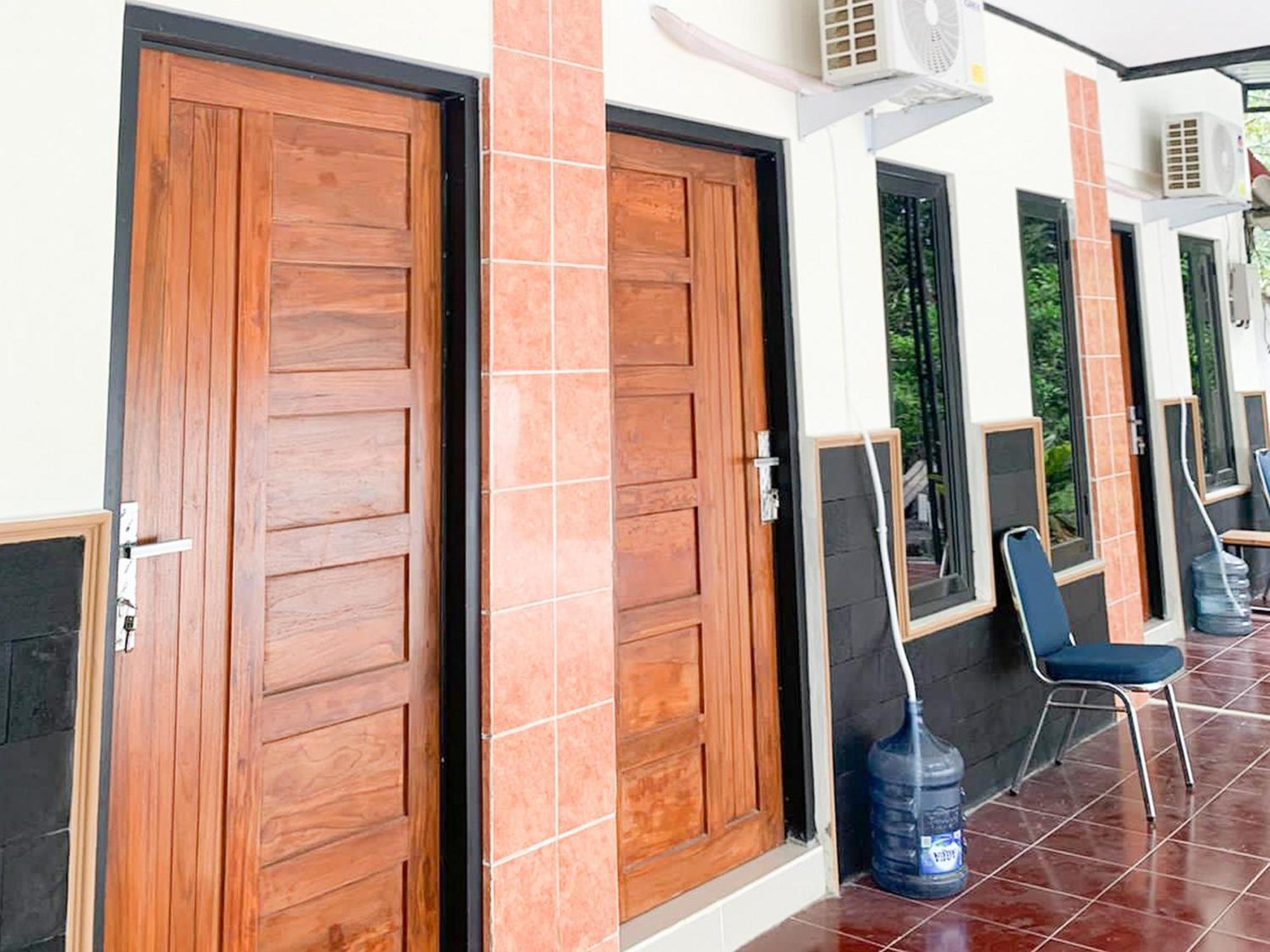
For Jakarta airport layovers or business arrivals, Tangerang hosts airport-adjacent hotels that avoid the notorious Jakarta city traffic, saving around 60 minutes versus staying in the city center. Book at least 6 weeks ahead for Bali design hotels during July-August and the Christmas-New Year window, when oceanview rooms in particular sell out well before check-in dates. Bintan properties tend to fill up on Friday and Saturday nights due to the Singapore weekend travel pattern, so midweek stays offer better rates and quieter resort atmospheres.
Bali Design Hotels
Bali concentrates the highest density of architecturally distinctive hotels in Indonesia, with properties spanning East Bali's quieter coastline and Sanur's established beachfront strip.
-
1. Ramayana Candidasa Beach Resort
Show on map


 Check-infrom 14:00 until 23:59Check-outuntil 12:00
Just a few rooms left at the best rate!
fromIDR 1428571
-
2. Besakih Beach Hotel
Show on map


 Check-infrom 14:00 until 23:59Check-outuntil 12:00
Just a few rooms left at the best rate!
fromIDR 1000000
Bintan Island & Gateway Hotels
Bintan's Lagoi Bay area and the airport-adjacent Tangerang corridor serve distinct traveler profiles - one focused on island resort immersion, the other on operational efficiency for transit passengers.
-
3. Grand Lagoi Hotel Bintan
Show on map


 Check-infrom 15:00 until 23:59Check-outuntil 12:00
Hurry – almost gone at this price!
fromIDR 1803571
-
4. Mayang Sari Beach Resort
Show on map


 Check-infrom 15:00 until 23:59Check-outuntil 12:00
Hurry – almost gone at this price!
fromIDR 3089286
-
5. Days Hotel & Suites By Wyndham Jakarta Airport
Show on map


 Check-infrom 14:00 until 23:59Check-outuntil 12:00
Rooms filling fast – secure the best rate!
fromIDR 1071429
Smart Travel & Timing Advice for Indonesia
Indonesia's travel calendar splits into two primary windows. The dry season runs from May through September - this is the most visited period, with July and August representing peak crowd and peak pricing across Bali, Bintan, and the Gili Islands simultaneously. Bintan sees a secondary pricing spike every weekend year-round due to Singapore day-trippers, which means arriving Monday through Thursday consistently yields better rates and emptier beaches at Lagoi properties. For East Bali around Candidasa, the dry season is equally the most comfortable, but the crowd pressure is far lower than south Bali even at peak times.
For Jakarta airport hotels in Tangerang, timing is driven by flight schedules rather than seasons - the main variable is business conference periods, which push up midweek demand unpredictably. Book Bali beachfront rooms at least 6 weeks ahead for any stay between late June and late August; last-minute availability exists but skews toward garden-view rooms rather than ocean-facing ones. A stay of 3 nights minimum in Bintan makes the ferry transfer worthwhile, while East Bali rewards longer stays of 4 or more nights given the proximity to Padang Bai ferry routes and the slower pace of the coastline.