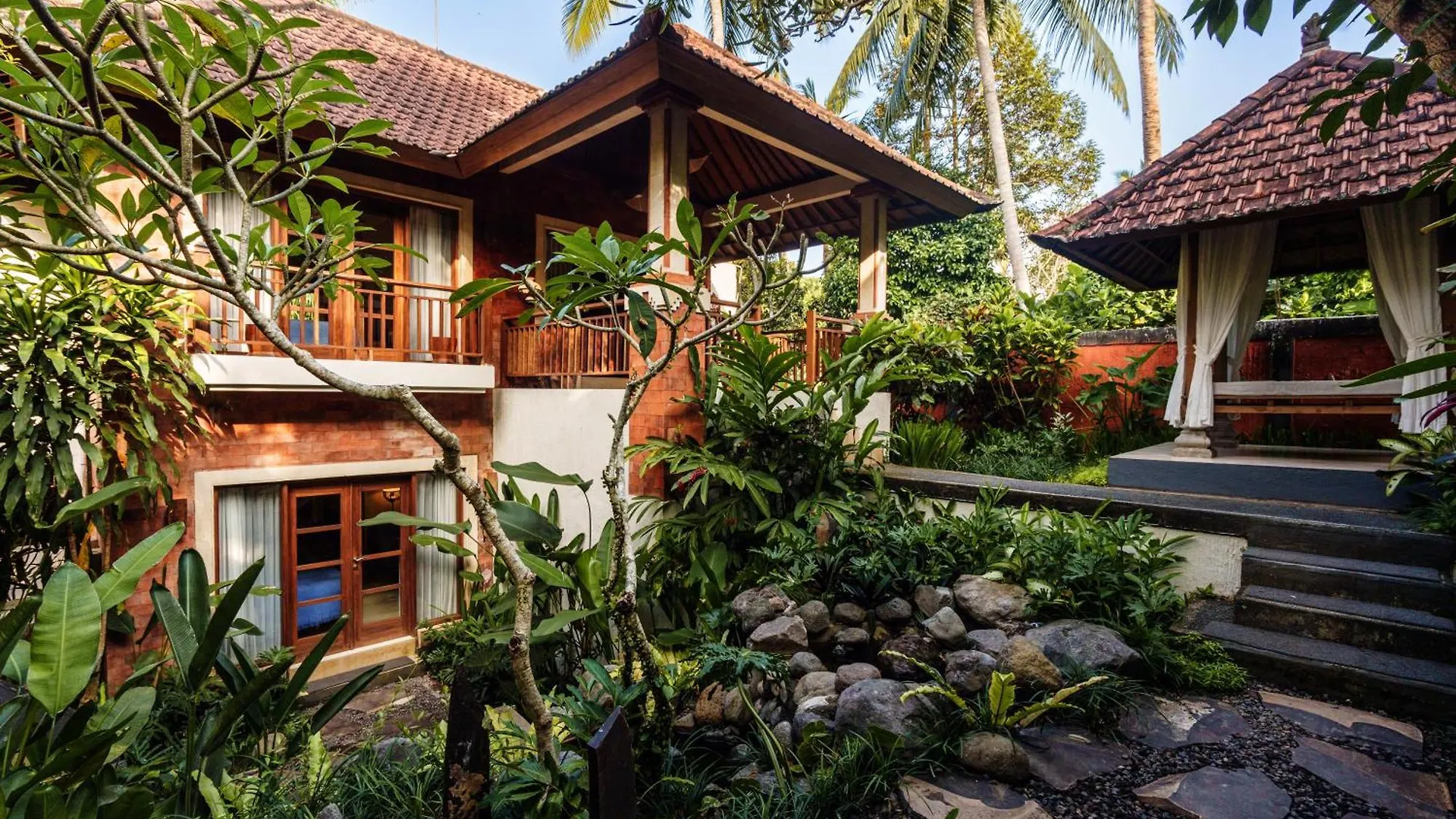
Pengosekan is one of Ubud's quieter southern villages, sitting between the Sacred Monkey Forest and the rice terrace corridors that define central Bali's landscape. Resorts here trade the noise of Jalan Raya Ubud for genuine greenery - most properties back directly onto paddies or jungle stream edges, and that's a deliberate positioning choice that affects everything from your morning to your evening walk.
What It's Like Staying in Pengosekan
Pengosekan sits roughly 2 kilometers south of Ubud's main market and palace district, placing it close enough to reach central Ubud on foot in under 30 minutes - but far enough that the streets are lined with rice fields instead of souvenir stalls. The area has no central commercial strip, which means the morning atmosphere is defined by roosters and irrigation water rather than scooter engines. Most resorts here rely on shuttle services into the town center, and without one you'll need to rent a scooter or arrange a private driver for anything beyond a short walk.
The crowd pattern in Pengosekan skews toward travelers who've already done the Ubud hustle and want space to decompress - not first-timers trying to maximize sightseeing hours per day. The village is also home to a notable artist community and a handful of craft galleries that operate quietly alongside the resort strip.
Pros:
- Immediate access to rice paddy walks and nature without leaving the property area
- Resorts are significantly more spacious than equivalently priced hotels in central Ubud
- Walking distance to Monkey Forest makes it one of Pengosekan's most practical entry points to Ubud attractions
Cons:
- No walkable dining scene - most restaurants require transport
- Limited late-night transport options once private drivers sign off
- Around 30 minutes on foot to Ubud Palace and the Art Market means shuttle dependency is real
Why Choose a Resort in Pengosekan
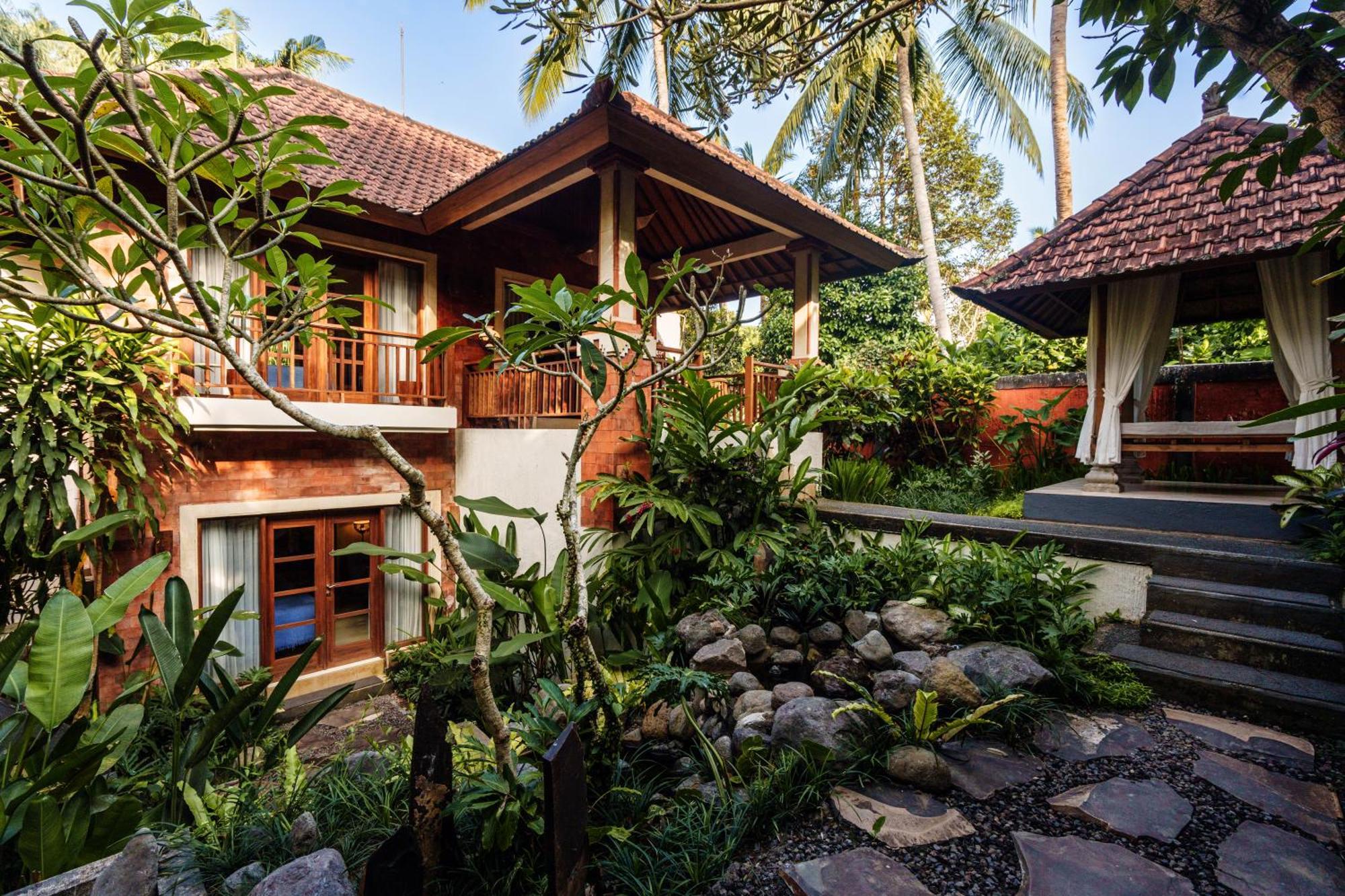
Resorts in Pengosekan typically offer something that mid-range hotels in central Ubud structurally cannot: private garden space, outdoor pools surrounded by tropical vegetation, and buildings separated from each other rather than stacked vertically. In practical terms, this means your balcony looks at a terrace of banana trees rather than a neighbor's window. Rooms in Pengosekan resorts average noticeably larger than their central-Ubud counterparts at similar price points, often including dedicated seating areas, patios, or porch access that are simply absent in town-center properties.
The trade-off is logistical. Resorts here are not self-contained enough to skip transport entirely - you'll still want day access to Ubud's galleries, warung clusters, and market. Properties that offer free daily shuttle service effectively solve this problem; those that don't require budgeting for a scooter rental or daily private car. Price-wise, resort stays in Pengosekan sit at a compelling mid-point: more atmospheric than budget guesthouses near Monkey Forest Road, and around 40% less per night than villa-style stays in Penestanan or Sayan.
Pros:
- Outdoor pools and garden layouts that compact Ubud hotels cannot replicate
- On-site restaurants serving breakfast reduce the morning transport dependency
- Spa facilities integrated into the resort - a feature absent in most central-Ubud budget and mid-range hotels
Cons:
- Shuttle schedules are fixed - if you miss the last run, you're paying for a private car
- Evening dining variety is minimal without leaving the property
- Proximity to nature means more insects - open-air spa and garden rooms are not for everyone
Practical Booking & Area Strategy for Pengosekan
The most strategically positioned resorts in Pengosekan sit along or just off Jalan Pengosekan - the main road cutting south from Monkey Forest Road - where shuttle access to central Ubud is most reliable and walking to the Sacred Monkey Forest Sanctuary takes under 10 minutes. Resorts set further east toward the rice terrace corridors offer more scenery but require more transport coordination. For travelers arriving from Ngurah Rai International Airport, factor around 1.5 hours drive time; booking a resort with an included airport shuttle meaningfully reduces arrival friction.
Pengosekan is within easy reach of Ubud's key cultural draws: Goa Gajah (Elephant Cave) is roughly 3 kilometers east, Tegalalang Rice Terrace is about 8 kilometers north, and the Campuhan Ridge Walk starts from central Ubud. For day trips, having a resort that can arrange vehicle rentals or driver contacts at the front desk removes a planning burden that catches many travelers off-guard.
Micro-location tip: Properties on the Monkey Forest Road end of Pengosekan can walk to the Sanctuary entrance - those 400 meters matter at 7am before tour groups arrive. Price-distance strategy: The further south you go on Jalan Pengosekan, the lower the nightly rates but the more dependent you are on the resort shuttle. Transport insight: A scooter rental from central Ubud costs around 80,000 IDR per day - factor this into your total stay cost if your chosen resort charges for shuttle access.
Best Value Resorts in Pengosekan
These properties deliver strong resort features - pools, gardens, on-site dining - at price points that make Pengosekan an accessible base rather than a splurge. Both sit within the southern Ubud corridor with shuttle access to the town center.
-
1. Rama Phala Resort & Spa
Show on map


 Check-infrom 14:00 until 23:59Check-outuntil 12:00
Just a few rooms left at the best rate!
fromIDR 1732143
-
2. The Evitel Resort Ubud
Show on map


 Check-infrom 14:00 until 23:59Check-outuntil 12:00
Just a few rooms left at the best rate!
fromIDR 660714
Best Premium Stays in Pengosekan
These two properties step up in space, finish quality, and amenity depth - Japa Suites & Villas adds villa-format rooms and family-oriented infrastructure, while Menzel Villa Ubud offers pool-view rooms, a broader breakfast menu, and a more secluded position within the Pengosekan-Ubud southern belt.
-
3. Japa Suites & Villas
Show on map


 Check-infrom 15:00 until 23:59Check-outuntil 12:00
Hurry – almost gone at this price!
fromIDR 6517857
-
4. Menzel Villa Ubud
Show on map


 Check-infrom 14:00 until 23:59Check-outuntil 12:00
Rooms filling fast – secure the best rate!
fromIDR 625000
Smart Travel & Timing Advice for Pengosekan Resorts
Bali's peak season runs from July through August and again over Christmas and New Year, when Ubud resort rates climb sharply and availability in Pengosekan drops fast - booking at least 8 weeks ahead for July travel is the practical minimum. The shoulder months of May, June, and September offer the best balance: lower nightly rates, drier weather than the wet season, and Ubud's cultural calendar still active with ceremonies and dance performances at the Palace.
The wet season from November through March brings daily afternoon rain that makes outdoor pools and garden spaces less usable for several hours each day, but rates fall noticeably and the rice fields around Pengosekan are at their greenest. For a resort stay focused on spa use, in-property dining, and half-day town visits, the wet season represents genuine value. Three nights is the realistic minimum to justify a Pengosekan resort stay - less than that, and the logistical investment in airport transfer, shuttle learning curve, and unpacking doesn't pay off. Four to five nights allows for day trips to Tegalalang, Tirta Empul, and the Campuhan Ridge Walk without feeling rushed. Last-minute bookings in Pengosekan are rarely rewarding - the best-positioned resorts with free shuttle access fill weeks in advance during high season.