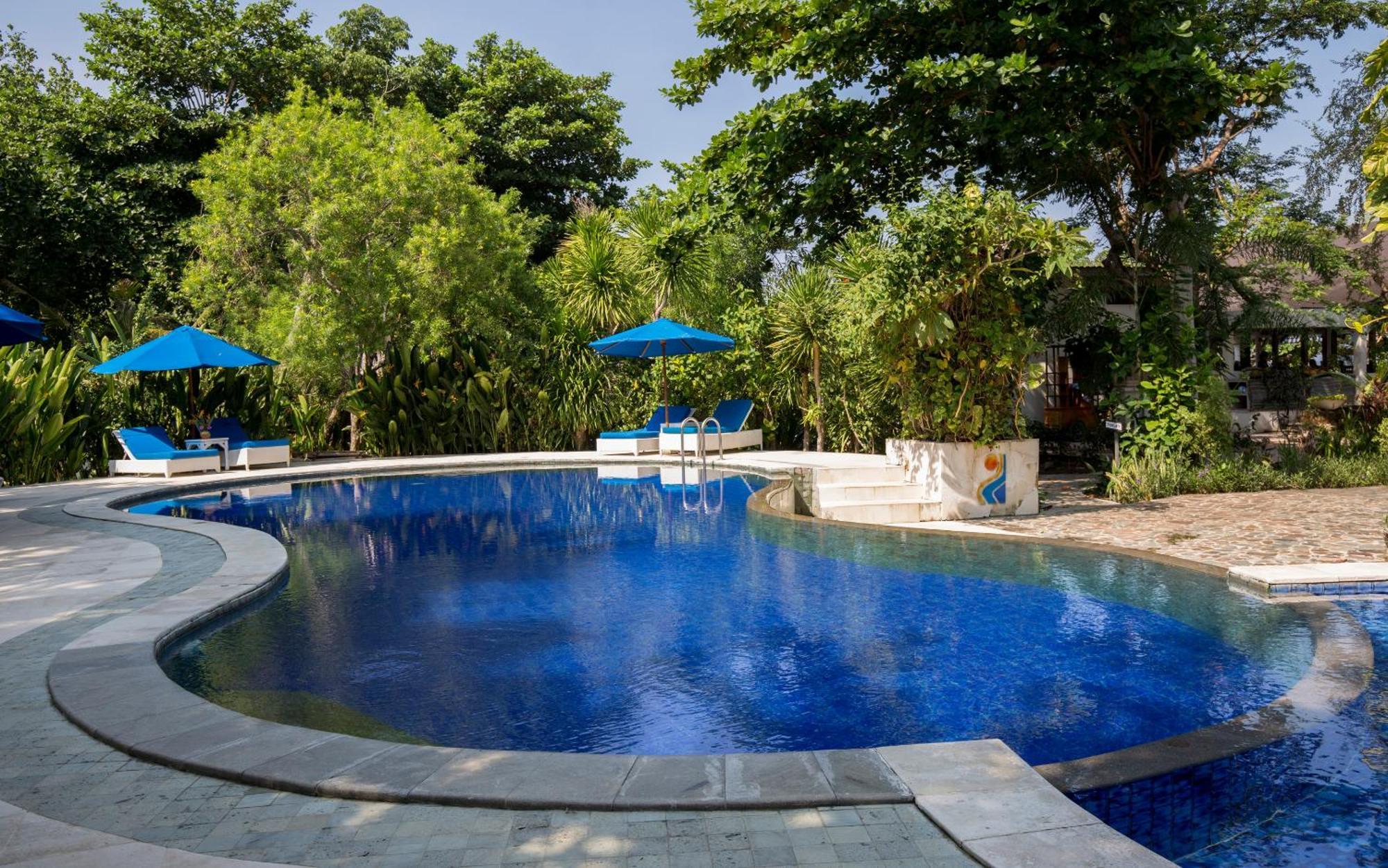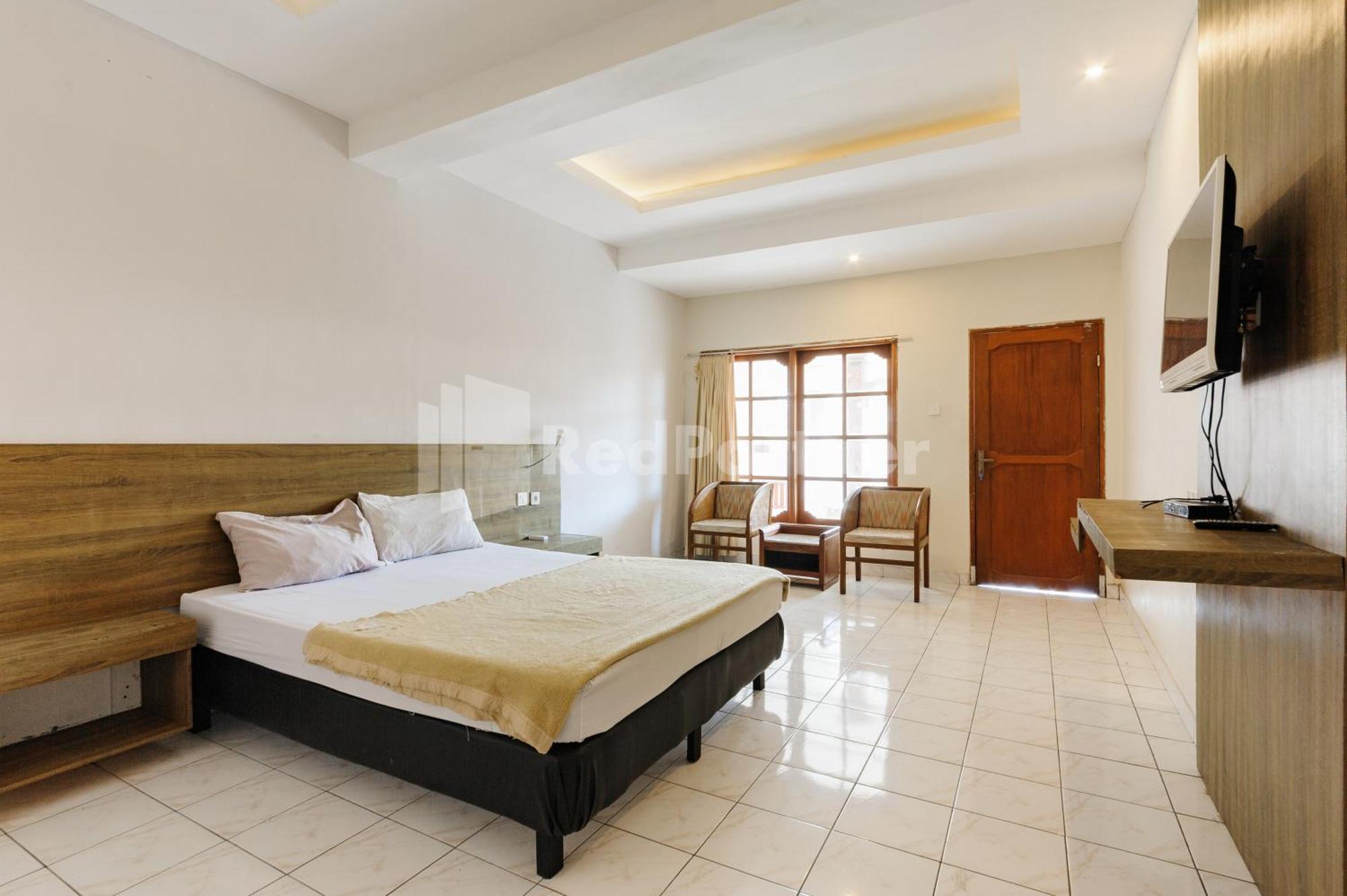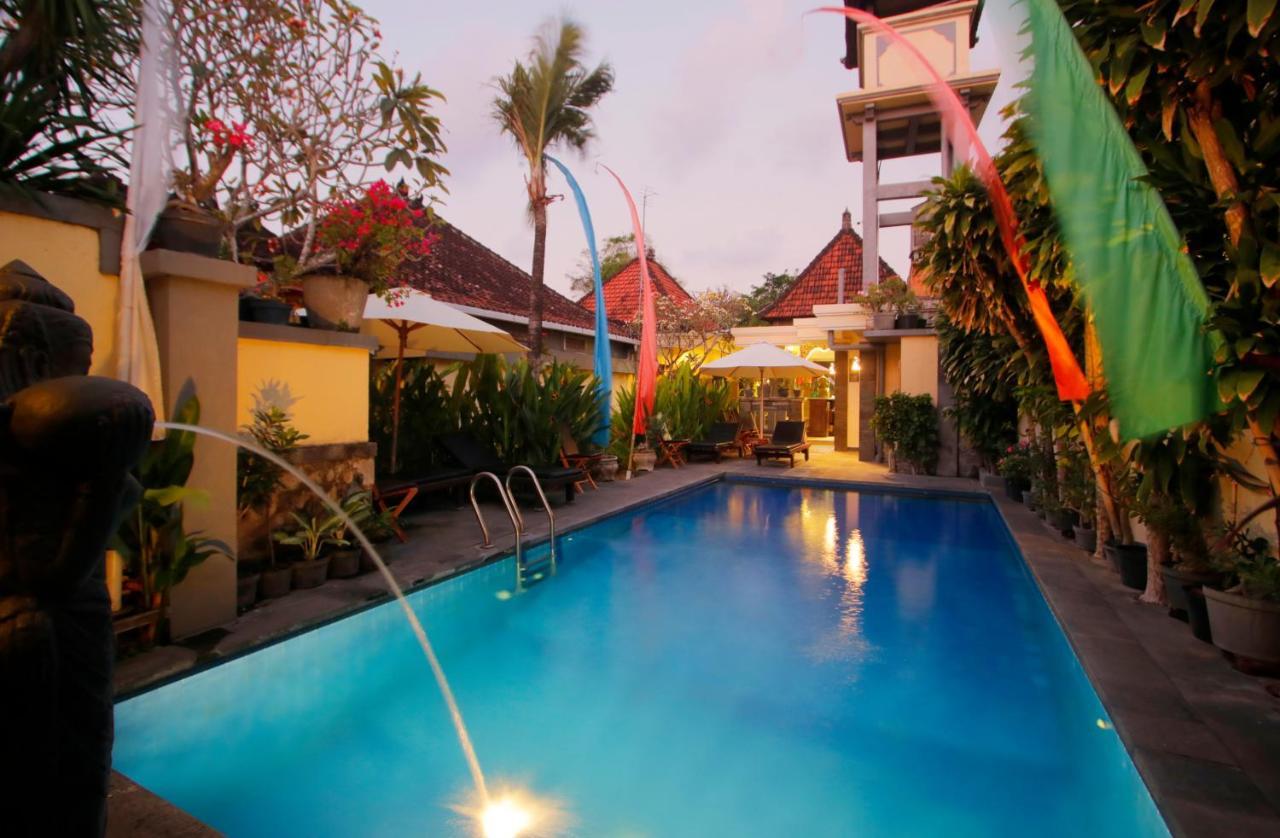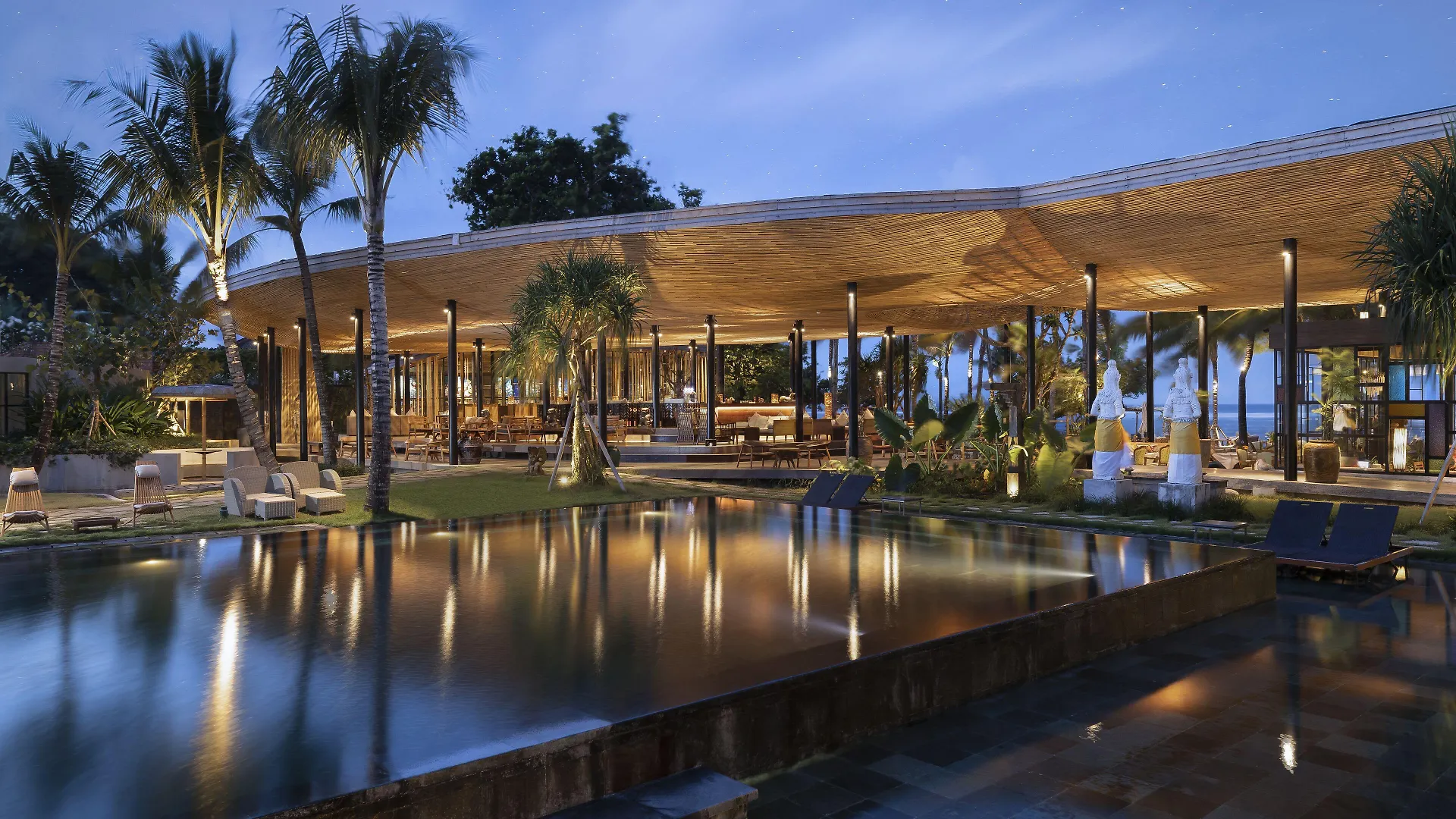
Sanur Beach sits on Bali's southeast coast and operates at a fundamentally different pace from Seminyak or Kuta. The beach faces east, meaning mornings here are defined by calm water and direct sunrise light - a practical advantage for travelers who want beach time without the afternoon wind chop that affects Bali's west coast. The three beach hotels covered in this guide all sit directly on the sand, making beachfront access a genuine reality rather than a marketing claim.
What It's Like Staying in Sanur Beach
Sanur is one of the few areas in Bali where you can genuinely walk between your hotel, the beach, and a decent restaurant without needing a taxi or ride-hailing app. The 5-kilometer beachfront path - a flat, paved promenade connecting the northern and southern ends of Sanur - runs parallel to the shoreline and is usable morning or evening without safety concerns. Crowd density stays noticeably lower than Seminyak, and the general atmosphere is quieter, which shapes the overall staying experience significantly.
Sanur's east-facing beach means the water is consistently calm and protected by a reef, making it suitable for swimming at most tide levels. The main strip along Jalan Danau Tamblingan has restaurants, convenience stores, and pharmacies within walking distance of most beachfront hotels. Transport to Denpasar takes around 20 minutes by car, and the fast boat terminal to Nusa Penida and Gili Islands is located at the southern tip of Sanur - a concrete logistical benefit for island-hopping travelers.
Pros:
- East-facing beach with calm, reef-protected water and reliable morning swims
- Walkable promenade connecting hotels, restaurants, and local warungs
- Fast boat terminal in Sanur gives direct access to Nusa Penida without crossing Bali
Cons:
- Nightlife is minimal - travelers seeking clubs or late-night dining will find options limited
- Surf conditions are poor due to the reef; surfers will need to travel to Canggu or Uluwatu
- Ngurah Rai Airport is around 40 minutes away in normal traffic, longer during peak hours
Why Choose a Beach Hotel in Sanur
Beach hotels in Sanur occupy a specific market position: they offer genuine beachfront access at rates considerably lower than comparable beachfront properties in Seminyak or Nusa Dua. The physical difference matters - in Sanur, even mid-range beachfront hotels typically have direct sand access within meters of the building, not a shared strip hundreds of meters away. Room sizes at Sanur's beachfront resorts tend to be larger than urban Bali hotels, often incorporating private balconies with garden or sea-facing views as a baseline feature rather than an upgrade.
The trade-off is location relative to Bali's main tourist corridors. Sanur sits roughly 12 kilometers from Seminyak, which means day trips to the west coast require planning rather than spontaneous movement. However, for travelers whose primary goal is beach relaxation, spa access, and structured resort time, Sanur beach hotels deliver that without the noise level of Legian or the commercial density of Kuta. Beachfront resorts here typically include multiple pools, on-site restaurants, and spa facilities, reducing the need to leave the property at all.
Pros:
- Direct sand access is standard at beachfront properties, not an upsell
- Resort facilities - pools, spas, restaurants - are more generous per price point than west coast equivalents
- Calm beach conditions make in-water activities practical throughout the stay
Cons:
- Distance from Seminyak and Canggu makes cross-district evenings logistically demanding
- Limited walkable dining variety outside hotel restaurants compared to Seminyak's dense food scene
- Sanur beach hotels attract an older demographic, which affects the overall atmosphere on-site
Practical Booking & Area Strategy
The strongest micro-location within Sanur for beachfront hotels is the central and northern stretch between Jalan Segara Ayu and Jalan Pantai Sindhu - this section of the beach is the widest, best maintained, and closest to the promenade's best concentration of cafés and local warungs. Hotels positioned here give you immediate access to the walking path without crossing busy roads. Jalan Danau Tamblingan, running parallel to the beach roughly 300 meters inland, is the main artery for taxis, ride-hailing pickup points, and convenience stops - proximity to it matters for anyone leaving the resort regularly.
The fast boat pier at Pelabuhan Sanur (southern Sanur) connects to Nusa Penida in around 30 minutes and to Lombok's Gili Islands in under 2 hours - a key logistical factor for multi-island itineraries. Water sports rental operators are positioned along the beach and charge standard rates for snorkeling, paddleboarding, and outrigger canoe trips. Book at least 3 weeks ahead during July-August and over the Christmas-New Year period, when beachfront inventory in Sanur sells out and rates increase sharply. The Ngurah Rai International Airport is served by most major Southeast Asian carriers and direct flights from Australia, which keeps Sanur accessible without domestic connections for many travelers.
Best Value Beach Stays
These properties offer beachfront positioning with strong facility sets at price points that represent genuine value within Sanur's beach hotel market.
-
1. Segara Village Hotel
Show on map


 Check-infrom 14:00 until 23:59Check-outuntil 12:00
Just a few rooms left at the best rate!
fromIDR 1821429
-
2. Griya Santrian A Beach Resort And Spa
Show on map


 Check-infrom 14:00 until 23:59Check-outuntil 12:00
Hurry – almost gone at this price!
fromIDR 2482143
Best Premium Beach Stay
For travelers seeking a larger resort footprint, multiple dining venues, and a full suite of on-beach amenities, this property operates at a different scale than the rest of the Sanur selection.
-
3. Prama Sanur Beach Bali
Show on map


 Check-infrom 15:00 until 23:59Check-outuntil 12:00
Rooms filling fast – secure the best rate!
fromIDR 1482143
Smart Travel & Timing Advice for Sanur Beach
Sanur's dry season runs from May through October, with July and August bringing the highest visitor volume and the sharpest rate increases at beachfront properties - expect beach hotel rates to be around 35% higher during peak weeks compared to the shoulder months of May or October. The wet season from November through March sees significantly fewer visitors, lower rates, and occasional afternoon rain that typically clears by evening, leaving mornings and early afternoons fully usable. Sanur's east-facing beach is also less exposed to the strong southwest swells and winds that affect Kuta during the wet season, making it comparatively more stable year-round.
A minimum stay of 4 nights is the practical threshold for extracting value from Sanur's beach hotel format - shorter stays don't allow enough time to use the resort facilities, do a day trip to Nusa Penida, and still have genuine beach days. For peak season travel, booking 6 weeks ahead is the reliable window for securing beachfront room categories before inventory thins. Last-minute bookings in Sanur during June-August frequently result in inland room assignments even at beachfront-classified hotels, since the best-positioned rooms sell first. Shoulder season (May or late September) delivers the best balance of dry weather, manageable crowds, and rates that are 20-30% below peak - the most strategically sound time to stay on Sanur Beach.